• ABOUT
    arrow_drop_down
    • Overview
    • Director’s Message
    • Team
    • Contact Us
  • Teaching
    arrow_drop_down
    • Overview
      arrow_drop_down
      • Framework
      • Pedagogy
    • Universities
      arrow_drop_down
      • SDGs Universities
      • African Universities
        arrow_drop_down
        • Sudan Universities
      • Arab Universities
        arrow_drop_down
        • Gulf Universities
          arrow_drop_down
          • Qatar Universities
          • Bahrain Universities
          • Kuwait Universities
          • Emirates Universities
          • Oman Universities
          • KSA Universities
      • Islamic Universities
      • Women Universities
    • Programmes
      arrow_drop_down
      • PhD/DBA
      • MSc/MBA
      • PG Diploma
      • PG Certificate
    • Courses
    • Faculty
    • Admisison
  • Research
    arrow_drop_down
    • Research Tracks
    • Publishing
  • Consultancy
    arrow_drop_down
    • Experts By Subject
      arrow_drop_down
      • Sustainable Development
        arrow_drop_down
        • Sustainable Development Goals
        • Voluntary National Reviews
      • Higher Education
        arrow_drop_down
        • E-Learning
      • Digitalisation
        arrow_drop_down
        • Digital Transformation
        • Artificial Intelligence
        • Knowledge Management
          arrow_drop_down
          • Smart KM
      • Health and Wellbeing
        arrow_drop_down
        • Healthcare Leadership
        • Public Health
        • Diagnostic Radiology
      • Business and Management
        arrow_drop_down
        • Marketing
    • Who’sWho Network
      arrow_drop_down
      • Global Who’sWho
        arrow_drop_down
        • Join
      • Women Who’sWho
      • Diaspora Who’sWho
      • Arab Who’sWho
      • Africa Who’sWho
      • Sudan Who’sWho
        arrow_drop_down
        • Doctors
    • Interactive Map
      arrow_drop_down
      • Global
      • Arab
      • African
      • Sudan
        arrow_drop_down
        • Doctors
      • Women
  • Training
    arrow_drop_down
    • Overview
    • Search All
      arrow_drop_down
      • Forthcoming
      • Past
      • Search by Levels
        arrow_drop_down
        • Diploma
        • Programmes
        • Courses
      • Search By Subject
        arrow_drop_down
        • Sustainability Masterclass
          arrow_drop_down
          • Economy
          • Sustainability
        • Public Policy
          arrow_drop_down
          • Public Policy
          • Education
          • Higher Education
          • Health
            arrow_drop_down
            • Covid-19
          • Women
          • Youth
            arrow_drop_down
            • Security
        • Digital Transformation
          arrow_drop_down
          • Artificial Intelligence
          • Data Science
          • Digital Transformation
          • Innovation
          • Knowledge Management
          • Technology Transfer
        • Business & Management
          arrow_drop_down
          • Entrepreneurship
          • HRM
          • Leadership
          • Management
          • Performance Improvement
          • Investment
    • Workshops
    • Programmes
  • Partnerships
  • Resources
    arrow_drop_down
    • Videos
    • Books
    • Digital Library
    • Book Store
  • Media
    arrow_drop_down
    • Videos
    • Gallery
  • Latest News
  • FAQs
Sign in or Register

DT Tracking SDGs

  • Send an email
  • Other Courses
  • Overview
  • Support
  • Learning Outcome
  • Programme
  • Assessment
  • Resources
  • Target Participants
  • Faculty
  • Registration
  • Gallery
  • Books
  • prev
  • next
  • Get directions
  • Other Courses
  • Share
  • prev
  • next
Overview

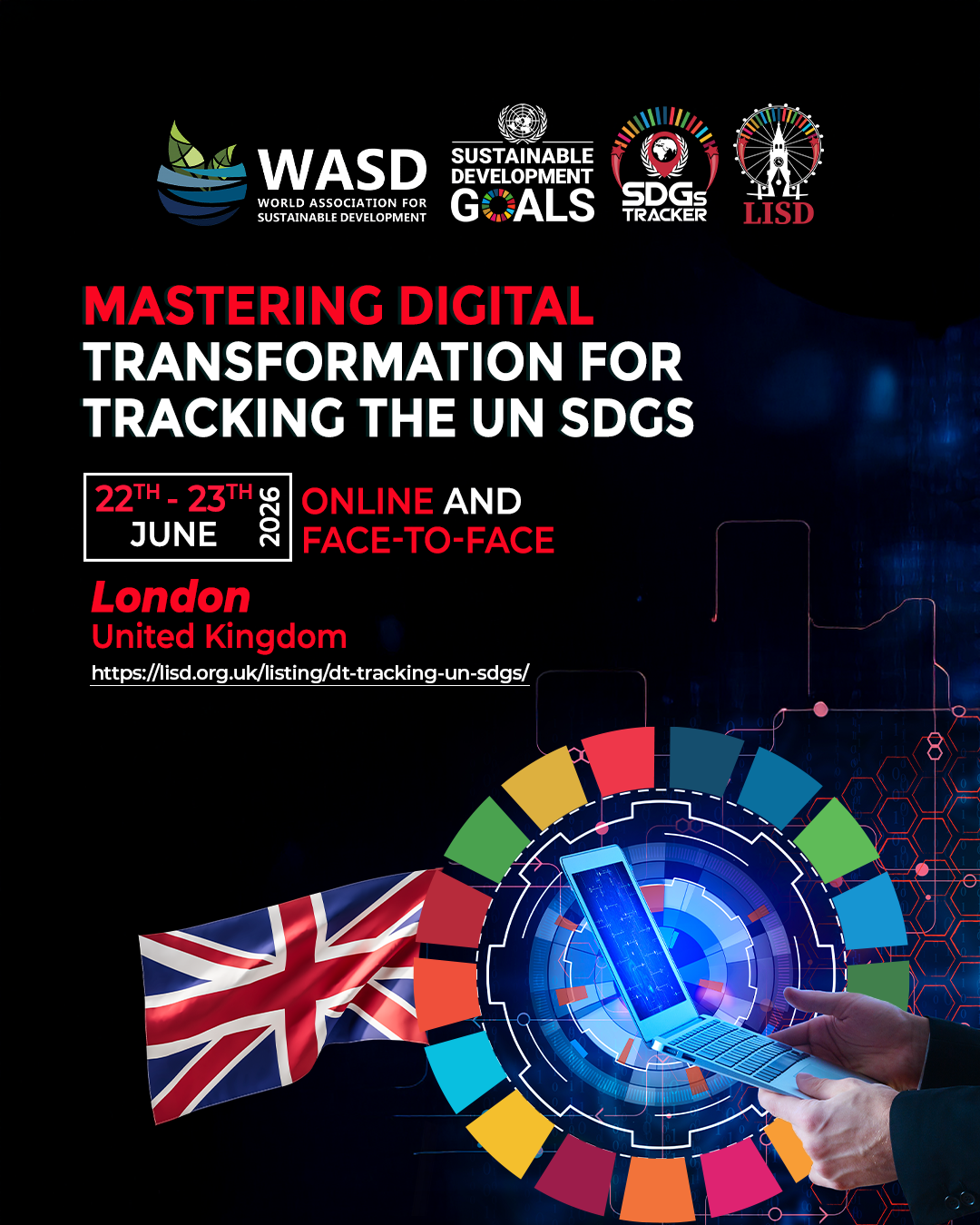
Mastering Digital Transformation for Tracking the United Nations Sustainable Development Goals 

Two Days Masterclass                             REGISTRATION                                      

22-23 June 2026 (Online) and Face-to-Face
Royal Society of Medicine, London, United Kingdom

Organised by the World Association for Sustainable Development (WASD) and London Institute of Sustainable Development (LISD)

This two-day masterclass has been designed to introduce a variety of fundamental perspectives on Digital Transformation (DT) and Sustainable Development (SD) to track countries performance to implement the United Nations (2015) 2030 Agenda for Sustainable Development and its 17 Sustainable Development Goals (SDGs). The masterclass provides a high-level platform for policymakers, senior officials, researchers, statisticians, and sustainability practitioners to examine how Artificial Intelligence (AI) can complement human intelligence in strengthening national SDGs reporting and governance. The masterclass will explore how AI can support national Voluntary National Reviews (VNRs) processes by:

  • Enhancing data integration and validation across multiple sources.
  • Supporting systematic measurement across 17 SDGs and their indicators.
  • Identifying trends, gaps, synergies, and trade-offs across goals.
  • Improving the efficiency, consistency, and transparency of VNR reporting.

The masterclass aims to:

  • Discuss the challenges governments face in the implementation of the UN 17 SDGs, targets, indicators and data.
  • Strengthen national capacity for AI-enabled SDG monitoring and VNR preparation and reporting.
  • Support alignment of national reporting with UN guidelines.
  • Share practical methodologies, tools, and international best practices.
  • Foster collaboration between policymakers, data specialists, and development partners.

In his various speeches and statements during the last two years, the UN Secretary-General António Guterres always argues that DT particularly AI has the potential to help countries across the world accelerate the implementation of the UN 2030 Agenda and its 17 SDGs. Therefore, more focus in the masterclass will be on the transformative and critical role of AI in addressing and resolving global challenges which are also elaborated by the 2030 Agenda. It is therefore crucial to accelerate the use of AI as the 2030 deadline for achieving the SDGs approaches because AI can bridge existing implementation gaps and leveraging progress toward sustainable and comprehensive outcomes.

This masterclass will have more emphasis and focus on the application of AI in the preparation, analysis, and reporting of countries Voluntary National Reviews (VNRs), aligned with United Nations guidelines. The masterclass will address the measurement and monitoring of progress across all 17 SDGs using the global indicator framework, which comprises 234 unique indicators (251 indicators in total, with 13 indicators repeated under two or three targets).

The masterclass will be facilitated by world renowned experts in DT and SD aiming to build future leaders in public and private sectors who are able to understand and deal with future challenges. With the launch of the 2030 Agenda for SD and its 17 SDGs, the path to global development needs to be more collaborative than ever. How can technology contribute and enhance SD is the main issue which will be addressed during this masterclass. Digital technologies in particular have spread rapidly (such as the Internet, mobile phones, etc) and therefore the impact of digital technologies on SD is very important aspect of the overall success of DT initiatives. Based on the assumption that technology must be widely used and freely accessible to have an impact, knowledge systems and knowledge economy seem to open up new and varied avenues to be explored in the direction of sustainability. 

In addition, future leaders and decision makers will learn effective techniques and approaches to make better choices within the context of their organisations, gather information and assess alternatives; they will also be able to make decisions and develop ways to implement those decisions to their organisation’s effective transformation. Participants will acquire comprehensive knowledge and practical experience about DT approaches in alignment with the local needs and capabilities. It is a great opportunity for participants to gain good knowledge and understanding of SD and gain background information on SDGs. The masterclass will provide new perspectives sand some conclusions and recommendations for future leaders to explore some of the opportunities from the digital revolution and how these opportunities can be improved to better serve their goals.

This integrative masterclass aims to develop a deeper understanding of the theoretical and practical aspects to DT and SD and executive leadership, and to develop the essential skills and competencies necessary to plan, monitor and formulate DT and SD public policies. Executive leadership in 21st Century at all levels is becoming increasingly dynamic and complex. The masterclass aims to discuss and explore the various approaches and different ways that can contribute to policy analysis, formulation, implementation, monitoring and evaluation. It will also provoke forward thinking on developing new methods and approaches to suit the challenges and opportunities of this new era of digital revolution.

Related Sustainable Development Goals
  • SDG9
  • SDG17
  • SDG16
  • SDG15
  • SDG14
  • SDG13
  • SDG12
  • SDG11
  • SDG10
  • SDG4
  • SDG8
  • SDG7
  • SDG6
  • SDG1
  • SDG5
  • SDG2
  • SDG3
Related Courses
  • Innovation
  • Health
  • Higher Education
  • Education
  • Women
  • Youth
  • Investment
  • Economy
  • Entrepreneurship
  • Sustainability Masterclass
  • Management
  • Digital Transformation
  • Technology Transfer
  • Knowledge Management
  • Data Science
  • Artificial Intelligence
  • Public Policy
  • Performance Improvement
  • Leadership
Location

Royal Society of Medicine, London, United Kingdom

Get Directions
Country/Regions
  • UK
  • Europe
Social Networks
  • Facebook
  • Twitter
  • YouTube
  • LinkedIn
  • Website

Related Sustainable Development Goals
  • SDG9
  • SDG17
  • SDG16
  • SDG15
  • SDG14
  • SDG13
  • SDG12
  • SDG11
  • SDG10
  • SDG4
  • SDG8
  • SDG7
  • SDG6
  • SDG1
  • SDG5
  • SDG2
  • SDG3
Related Courses
  • SDG9
  • SDG17
  • SDG16
  • SDG15
  • SDG14
  • SDG13
  • SDG12
  • SDG11
  • SDG10
  • SDG4
  • SDG8
  • SDG7
  • SDG6
  • SDG1
  • SDG5
  • SDG2
  • SDG3
What will you learn

Subjects covered within the masterclass will include introduction to SD; leadership; DT; Knowledge Management (KM); communication skills; and women empowerment.

Participants will acquire comprehensive knowledge and practical experience about AI and KM approaches in alignment with the local needs and capabilities. It is also a great opportunity for participants to gain good knowledge on AI and KM and gain background information on problem solving using AI. Moreover, you will also learn about problem description, representation and solving using AI and/or KM.

Key Challenges: Despite progress in SDG reporting, many countries continue to face:

  • Fragmented and inconsistent SDG data across institutions.
  • Capacity constraints in analysing large and complex datasets.
  • Partial coverage of SDG indicators and limited cross-goal analysis.
  • Challenges in aligning national reporting with evolving UN VNR guidelines.

These issues often limit the analytical depth, comparability, and policy relevance of VNRs.

The UN has recognised that DT (such as AI), when developed and applied with responsibility and in an ethical manner, can potentially accelerate the progress towards SDGs. Therefore, the key aim of this masterclass is to explore how DT can be effectively managed and applied to accelerate the achievement of the UN SDGs by offering ethical, inclusive, and innovative solutions to help decision-making processes on SDGs.

AI for sustainability as an example is already a branch of AI that explores the application of AI to achieve sustainability, to achieve the SDGs. AI has a critical role in achieving the SDGs due to its ability to analyse vast datasets, optimise the use of resources, operate on complex systems, and offer solutions based on data based and critical analysis.

AI provides accurate operational efficiency like in delivering effective healthcare services to remote regions, enhance system for climatic predictions, automating infrastructure development, and much more. In the same vein, several research results claim that AI can accelerate up to 80 per cent of goals.

UN has also explained that the applications of AI can support data-driven policymaking, enhance transparency, and foster innovative partnerships which eventually bring the positive change in the society. Moreover, the UN has also advocated that the applications of AI frameworks if are mapped with the technological advancement, human rights, equity, and sustainability can ensure the positive contribution towards global development and prevent digital divide.

According to the United Nations Joint Inspection Unit (JIU) 2019 report titled “Strengthening the policy research uptake in service of the 2030 Agenda for sustainable development”, achieving the 17 SDGs of the 2030 Agenda requires evidence-based policies and planning at every level; therefore, the programme will also include substantial components on evidence-based research and policy planning.

Moreover, the masterclass will also examine the role of the private sector together with the public sector (please refer to JIU 2018 report on the Role of Public Private Partnerships (PPPs) in the Implementation of Agenda 2030 for more details and recommendations). Both the public and private sector organisations are confronted by environmental factors such as economic, political, sociological, technological, and legal challenges. The need for leaders at all levels to successfully meet these challenges requires a comprehensive appreciation and understanding of their roles, goals and the expected competencies.

Key Themes of the masterclass (but not limited to):

  1. Understanding the UN 17 SDGs, targets, indicators and data.
  2. Discuss the challenges governments face in the implementation of the various SDGs.
  3. Understanding the potential of AI, KM and data science on your organisation/career in terms of productivity, engagement, loyalty and retention.
  4. Understanding the key challenges senior leaders face in managing complex organisations.
  5. Find new ways of thinking and problem-solving including working and influencing dynamics in organisations, effective team and networks development.
  6. Acquire the essential knowledge and relevant social science concepts and theories required for any public policy formulation to implement the SDGs.
  7. Develop the skills required to define and critically analyse policy problems, articulate decision-making criteria and propose and evaluate alternative policy solutions.
  8. Learn how to manage various public policy initiatives using a unique Digital Program Delivery to ensure digitally enabled transformation for your organisation.
  9. During the masterclass, participants will discover new dimensions in leadership and management practices to help them lead their organisations public policy initiatives.
Benefits for Employers

This integrative masterclass aims to develop a deeper understanding of the theoretical and practical aspects to DT and SD and to develop the essential skills and competencies necessary to plan, monitor and control different tasks and events.

Benefits for Participating Countries: participation in this masterclass will enable countries to:

  1. Strengthen national systems for SDG monitoring and VNR preparation.
  2. Improve data quality, integration, and analytical capability across ministries.
  3. Enhance evidence-based policymaking and policy coherence across SDGs.
  4. Increase efficiency and reduce reporting burdens through AI-supported processes.
  5. Improve the credibility, comparability, and policy relevance of VNRs at the global level.
  6. After completion of the masterclass, each country's participants to write a report, supported by the tutor, of what they have learnt and what is particularly relevant to their countries. A focus to be on their SDGs Data monitoring and reporting particularly the country VNR. One important aspect of the masterclass which has implications for the way they will improve their professional practice when they return to their countries. This will help reassure their countries of the benefits of the programme and help consolidate the understanding of their different relevant ministries and agencies responsible for their national SDGs data and VNR.

Benefits of Participation: participants will also gain:

  1. Practical insights into AI-enabled approaches for comprehensive SDG indicator analysis
  2. Improved capacity to prepare robust, data-driven, and policy-relevant VNRs
  3. Greater understanding of interlinkages and trade-offs across SDGs
  4. Opportunities for knowledge exchange and networking with global sustainability leaders
  5. Contribution to advancing innovative, AI-informed approaches to sustainable development governance
  6. Understand evolving international requirements for achieving the 17 SDGs of the 2030 Agenda and systematic approach to policy analysis and formulation.
  7. Identify key enablers and organisation ecosystem that's support effective DT for SD.
  8. Develop an understanding of the different approaches to leadership and management.
  9. This masterclass will also complement the different management skills already developed through earlier business and management courses.
  10. Addresses the practical challenges that managers face as they seek to build, upgrade and exploit knowledge assets within their organisations
  11. Debate the importance and value of managing knowledge within your organisation
  12. Align KM thinking with broader, more traditional strategic approaches
  13. Using participants’ own organisations as cases, participants will explore how and when they can establish KM initiatives in their organisations and who will be involved?
  14. Identify and examine the objectives, advantages, drawbacks, models, stages and requirements of KM framework
  15. Understand how the new KM system will allow you to capture and store knowledge through various mechanisms
  16. In addition, participants will have insight into: critical analysis; interactive and team working; creativity; and problem solving.
  17. At the end of the course attendees should be able to acquire a comprehensive knowledge and practical experience about DT and SD in alignment with the local needs and capabilities.
Programme Structure
  1. The masterclass will be facilitated by the best experts from all over the world to provide participants within the public and private sectors worldwide with the best scientific and management solutions to implement effective DT and public policy in their organisations to achieve 17 SDGs of the 2030 Agenda.
  2. There will be an activity or set of activities for each session. These will be designed to help you engage with the introduction to the theories explored within the masterclass.
  3. Your tutor will be on hand to guide you through the course and will expect you to bring personal experience and reflection on the topics covered.
  4. Group work will be required for participants to engage in the workshop. Such activity allows participants to embed the new knowledge within their experience through active discussion and challenge.
Programme Day One

Monday 22nd June 2026

Arrival Refreshments, and Networking

Session (1) UN and Sustainable Development

  1. Introduction to the masterclass and Sustainable Development
  2. What is the United Nations system?
  3. The evolution of the concept of development in the UN system from growth to SD

Tea/Coffee Break and Networking

Session (2) Voluntary National Review

  1. UN reporting guidelines
  2. Practical methodologies, tools, and international best practices
  3. Case studies analysis of selected VNRs

Lunch Break and Networking

Session (3) Digitization, Digitalization and Digital Transformation

  1. DT foundations, pillars and frameworks
  2. Strategic alignment and DT enablers for SD
  3. Develop a DT strategy for your organisation

End of Day One

Programme Day Two

Wednesday 23rd June 2026

Arrival Refreshments, and Networking

Session (4) Artificial Intelligence

  1. Understanding AI and implementation in sustainability context
  2. Role of AI to achieve SDGs and future insights
  3. How AI can support national VNR processes

Tea/Coffee Break and Networking

Session (5) Public Policy and Strategy

  1. Introduction to policy and public policy
  2. Managing change and transformation process
  3. (UN Report) Strengthening the policy research uptake in service of the UN Agenda 2030 for SD

Lunch Break and Networking

Session (6) 2030 and Beyond

  1. Evaluating countries national progress on SDGs through VNR-Based policies.
  2. Participants presentations and feedback
  3. Conclusion and next steps

End of Masterclass

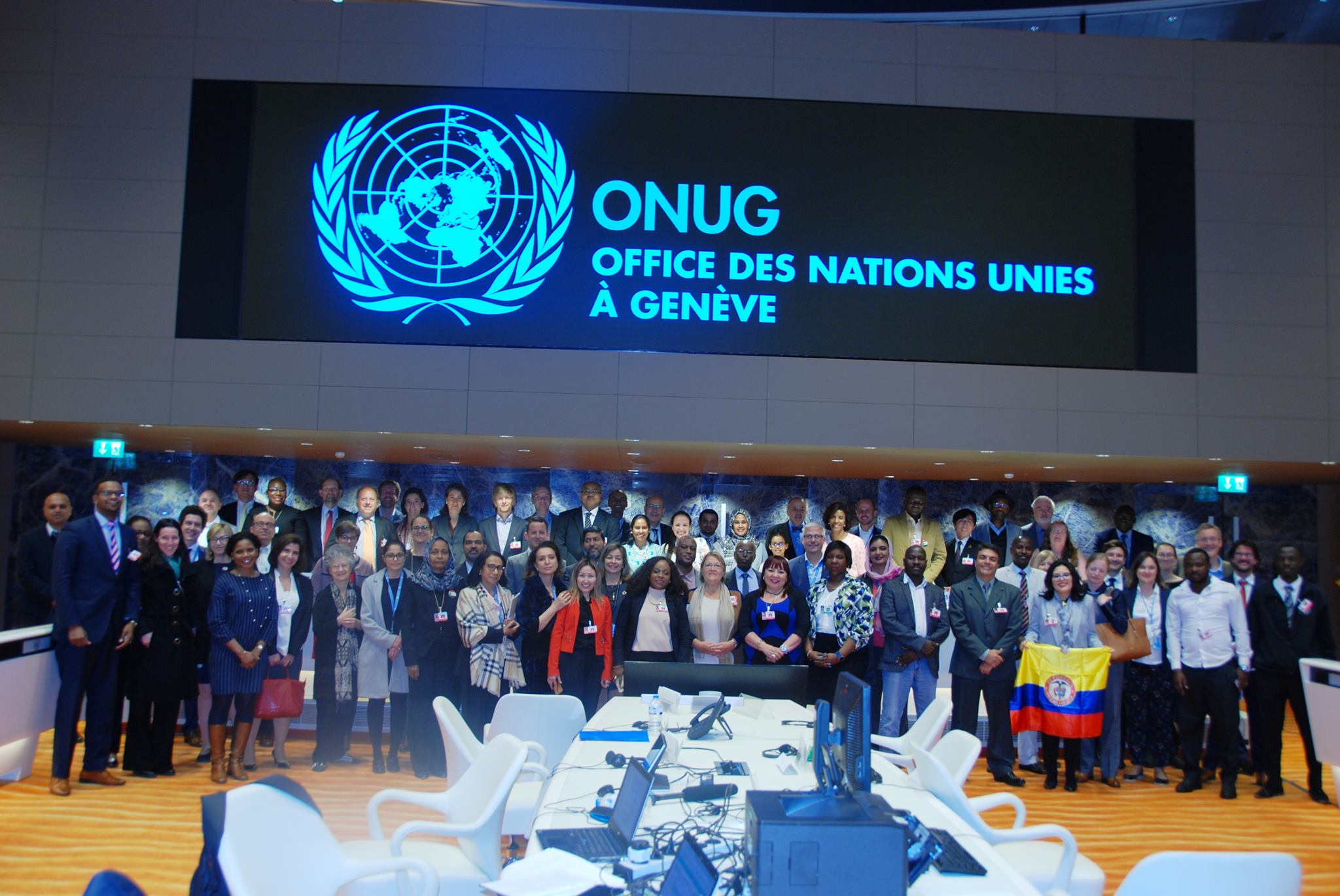
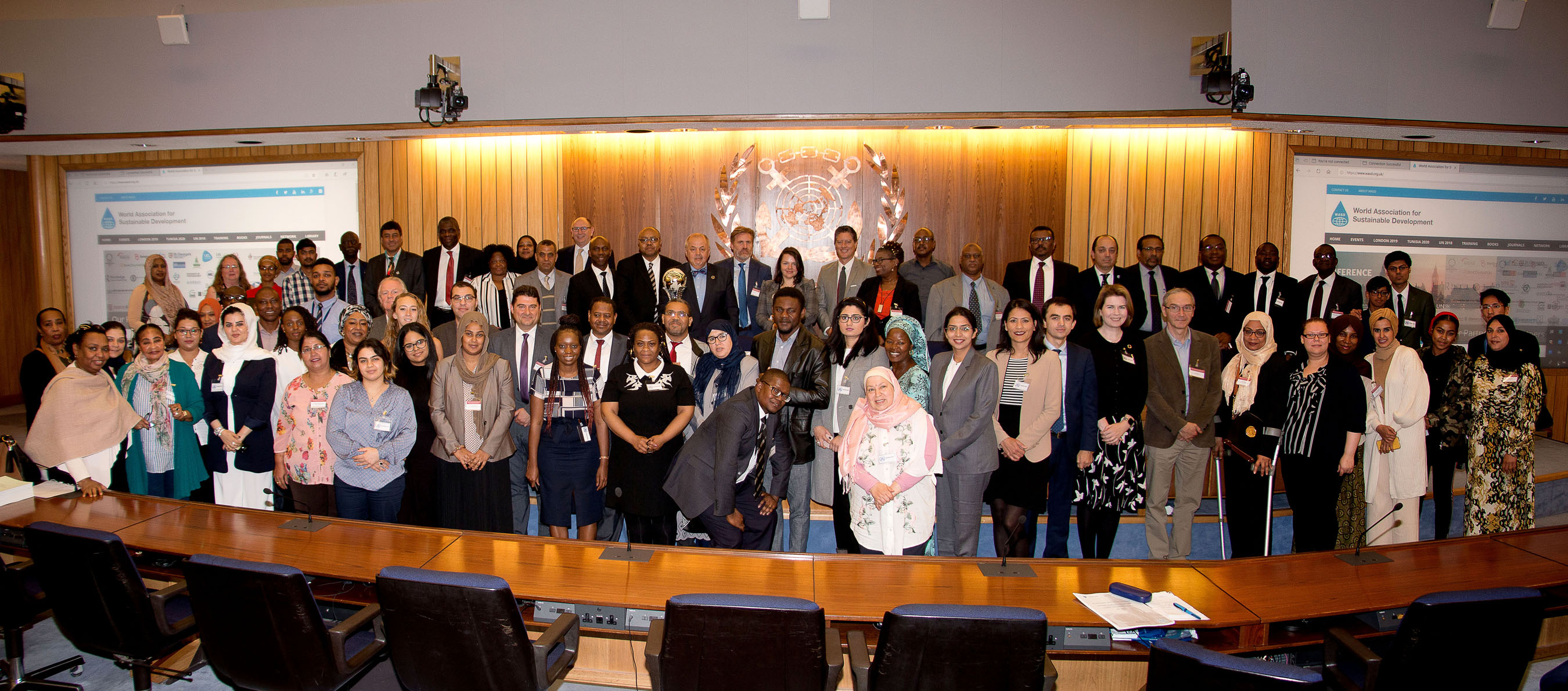
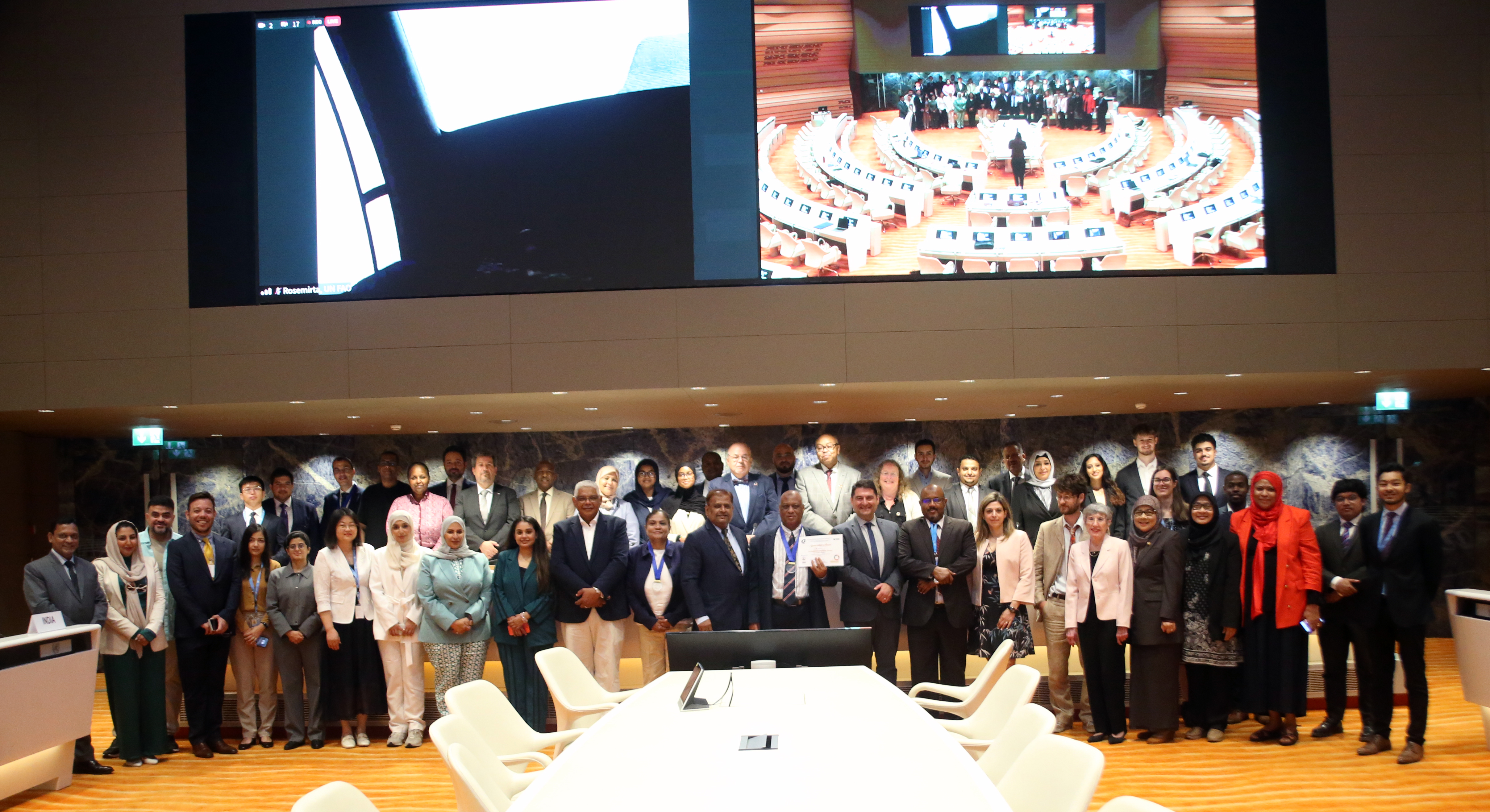
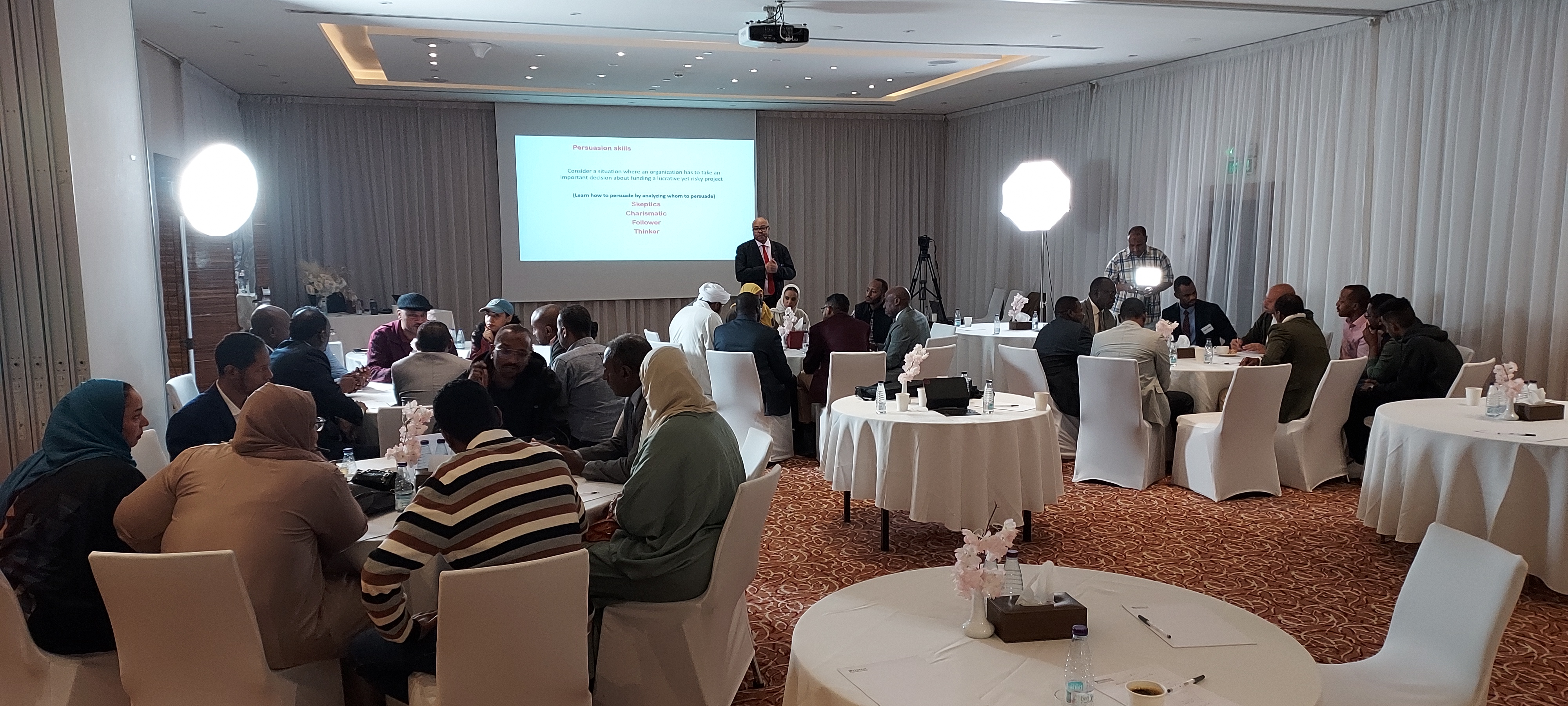
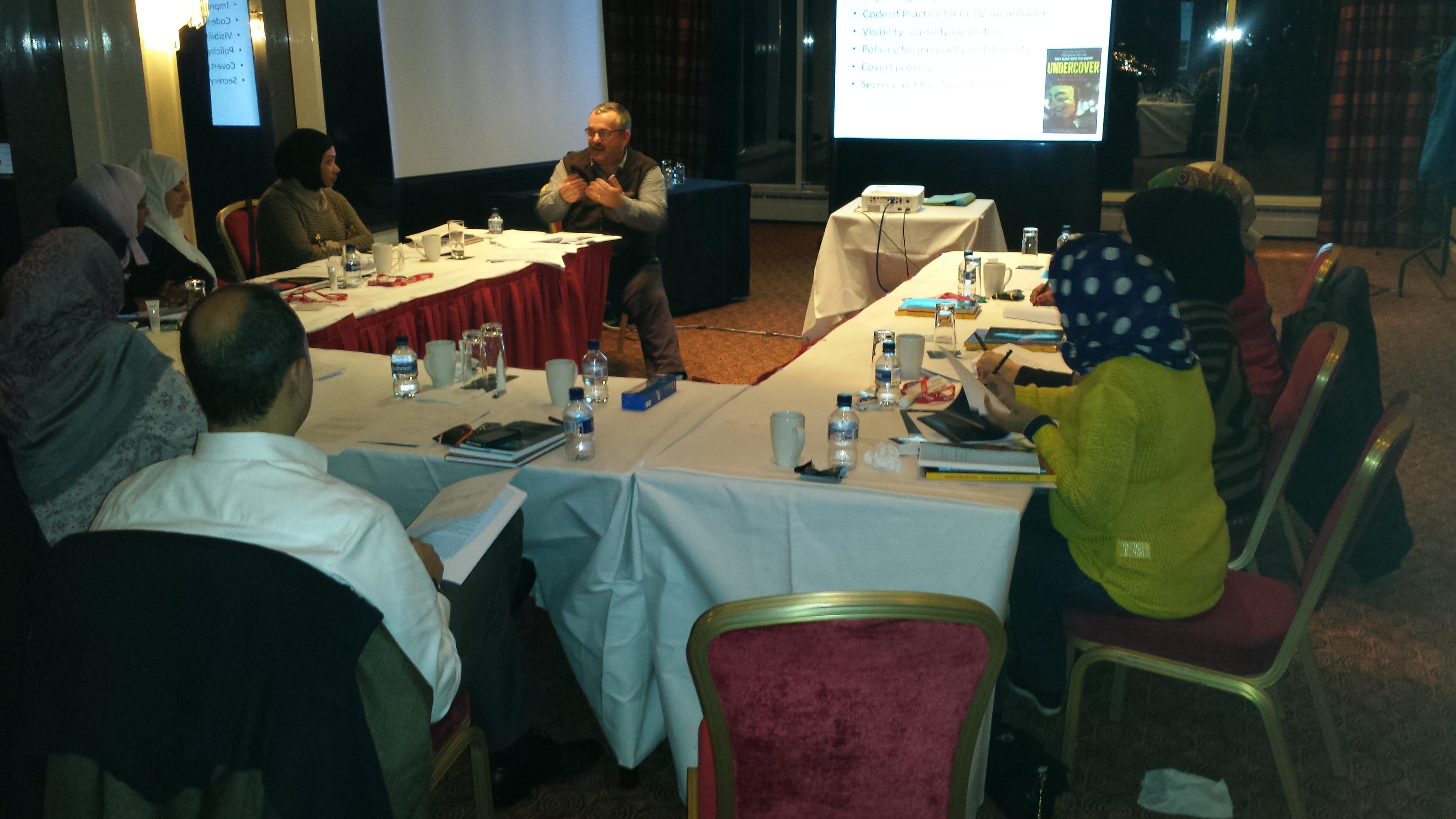
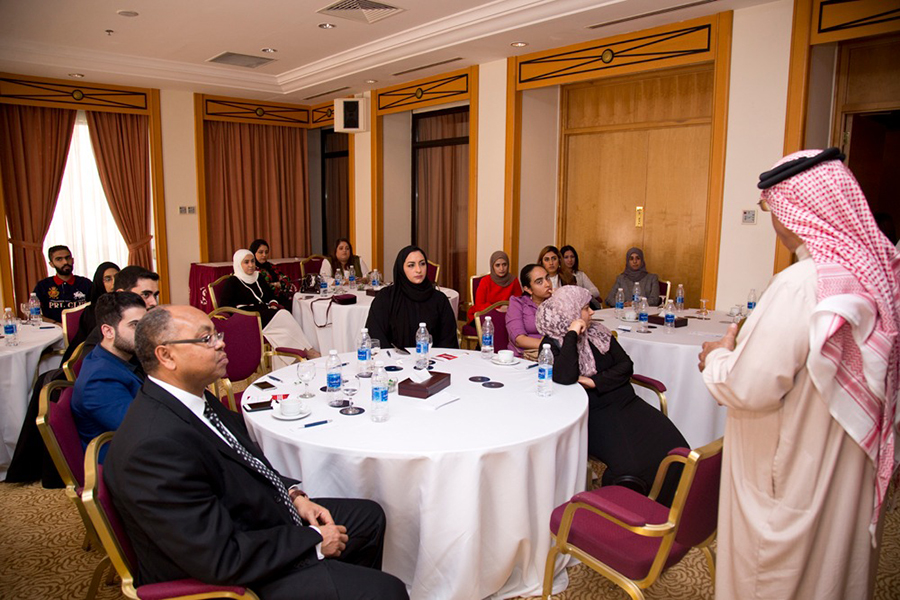
🚀 View Past Participants
Target Participants
  1. The masterclass covers materials for all levels from supervisory through to senior level.
  2. Government officials: minsters, undersecretaries, directors, etc.
  3. Private sector: CEOs, managers and directors responsible for transformation, project, programme, performance, excellence, knowledge, innovation or change management.
  4. Experienced managers who have significant futures-oriented management responsibilities, and who are interested in reflecting on their own experience and discovering new ideas.
  5. Academics including vice chancellors, deans, heads of departments, researchers and students who are interested in AI, KM and date science and in being part of an engaging educational experience that explore the challenges and opportunities that face organizations.
  6. Youth, NGOs (voluntary) and civil society groups (public).
  7. Professionals, innovators, SMEs, Start-ups and other stakeholders. Also, Entrepreneurs who are looking for establishing their own firms and SMEs.
  8. United Nations and International Organizations
  9. Technology Developers and AI Practitioners
  10. Non-Governmental Organizations (NGOs) and Social Groups
  11. Multilateral Development Banks and Donors
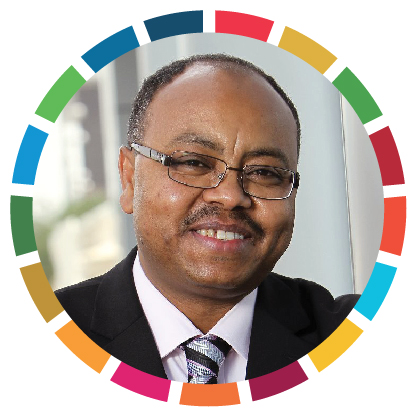
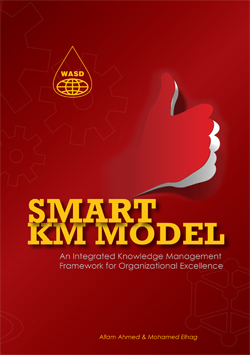
Professor Allam Ahmed Professor of Knowledge Management and Sustainable Development; Co-Founder of SMART KM MODEL: An Integrated Knowledge Management Framework for Organizational Excellence and led the implementation of the first of its kind in the Middle East and North Africa Knowledge Management Framework Musharaka. Founding President of WASD; SDGs Universities Initiative; Middle Eastern Knowledge Economy Institute; Fellow Faculty of Public Health, UK; Fellow Chartered Institute of Marketing, UK; and Fellow Academy of World Business, Marketing and Management Development, Australia. Prior to QMUL, Prof. Ahmed spent 15 years at the University of Sussex Science Policy Research Unit (1st science and policy think tank in the UK) where he established and led Sussex’s most successful postgraduate programme MSc International Management.

Samia Melhem (Washington - USA) is a Lead Policy Specialist at the World Bank’s Digital Development and AI Vice Presidency, based in Washington DC. She manages digital government transformation operations, leveraging technologies to improve delivery of public services in all sectors. She is currently leading a large digital government investment project portfolio, and regional research on Digital Skills for Jobs; as well as AI’s impact on the digital economy. During her career at the WBG, Samia managed digital transformation projects/operations in East and Central Europe, Asia, Middle East and Africa. She authored several publications on Telecoms Policy and Regulation, Digital government, Digital Economy, Digital Capabilities and Skills, Cloud computing, Innovation and Entrepreneurship, Open data, PPP, and Bridging the gender digital divide. In May 2025, Samia received an award from the Arab League for her Digital Economy work in the MENA region. In addition to her current role at the World Bank, Samia started teaching at George Washington University.

Miryem Salah (London - UK) is the Global Head of AI, Analytics Delivery for Vodafone Three Group, advancing the most complex machine learning and analytics use cases in the industry. Her wide-ranging experience across industries and academia is a key requirement of the field of artificial intelligence. Previously Miryem led successful transformations across retail, oil & gas, and healthcare & technology; focusing on transformational leadership to push innovation, outcome and excellence in product & service development.

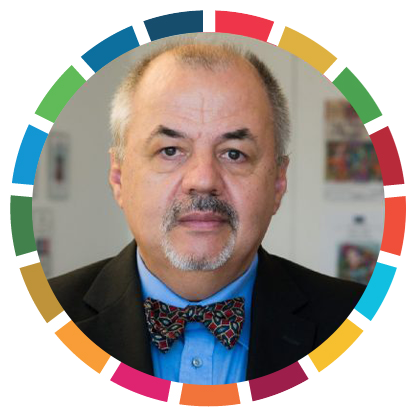
Ambassador (Ret) Dr Petru Dumitriu (Geneve - Switzerland) is a Former Ambassador and Permanent Observer of the Council of Europe to the United Nations in Geneva. Currently Senior Fellow and Lecturer on Multilateral Diplomacy postgraduate courses, Diplo Foundation/University of Malta. Former member of the United Nations Joint Inspection Unit and Editor of numerous reports including: Strengthening the policy research uptake in service of the 2030 Agenda for SD, Role of PPPs in the Implementation of Agenda 2030, Knowledge Management in the UN System

Contact Us
To register/enquire about this course and all our various comprehensive list of courses and workshops and if you have any question and/or if you would like to request a training workshop/program not listed in our portfolio please contact our Academic Director Professor Arshi Naim at: arshi@wasd.org.uk with a copy to admin@wasd.org.uk.

Royal Society of Medicine, London, United Kingdom

Get Directions
Registration and Fees

To join the workshop, you can either register online (EVENTBRITE) or contact WASD International Coordinator, Mrs Janet Snow: admin@wasd.org.uk.

Included in the workshop fee, the following learning materials will be provided:

  1. Admission to all sessions including tea/coffee breaks and lunches.
  2. All overhead slides (PDF).
  3. Case studies (PDF and video).
  4. Copy of the masterclass handbook.
  5. Copy of the masterclass main textbooks, SMART KM MODEL and one volume of World Sustainable Development Outlook book series.
  6. Certificate of attendance from LISD and WASD.
Gallery

You May Also Be Interested In

Artificial Intelligence and Knowledge Management for Effective Leaders

Artificial Intelligence and Knowledge Management for Effective Leaders 18 Hours Course (Face to Face and…
  • Phone Number
  • SDG4
  • +3

Female Pelvic Medicine and Reconstructive Surgery (UROGYNAECOLOGY)

Female Pelvic Medicine and Reconstructive Surgery (UROGYNAECOLOGY)      REGISTER 48 Hours Course Friday…
  • Phone Number
  • SDG4
  • +4

Digital Transformation and Sustainable Development for Future Women Leaders

18 July 2023 This two-day course will be facilitated by world renowned experts in Digital Transformation…
  • Phone Number
  • SDG4
  • +2

The London Institute of Sustainable Development (LISD), founded under the auspices of the World Association for Sustainable Development (WASD), is a global centre committed to advancing the United Nations 2030 Agenda and its 17 Sustainable Development Goals (SDGs) through higher education, research, training, and consultancy.
Facebook-f Youtube Twitter Linkedin Flickr

Quick Links

  • About LISD
  • Gallery
  • Teams
  • Contact Us
  • Book Store

EXPERTS

  • Global Who’sWho
  • Women Who’sWho
  • Diaspora Who’sWho
  • Arab Who’sWho
  • Africa Who’sWho
  • Sudan Who’sWho

Get in touch

© LISD

All rights reserved

Cart

  • Facebook
  • Twitter
  • WhatsApp
  • Telegram
  • LinkedIn
  • Tumblr
  • VKontakte
  • Mail
  • Copy link