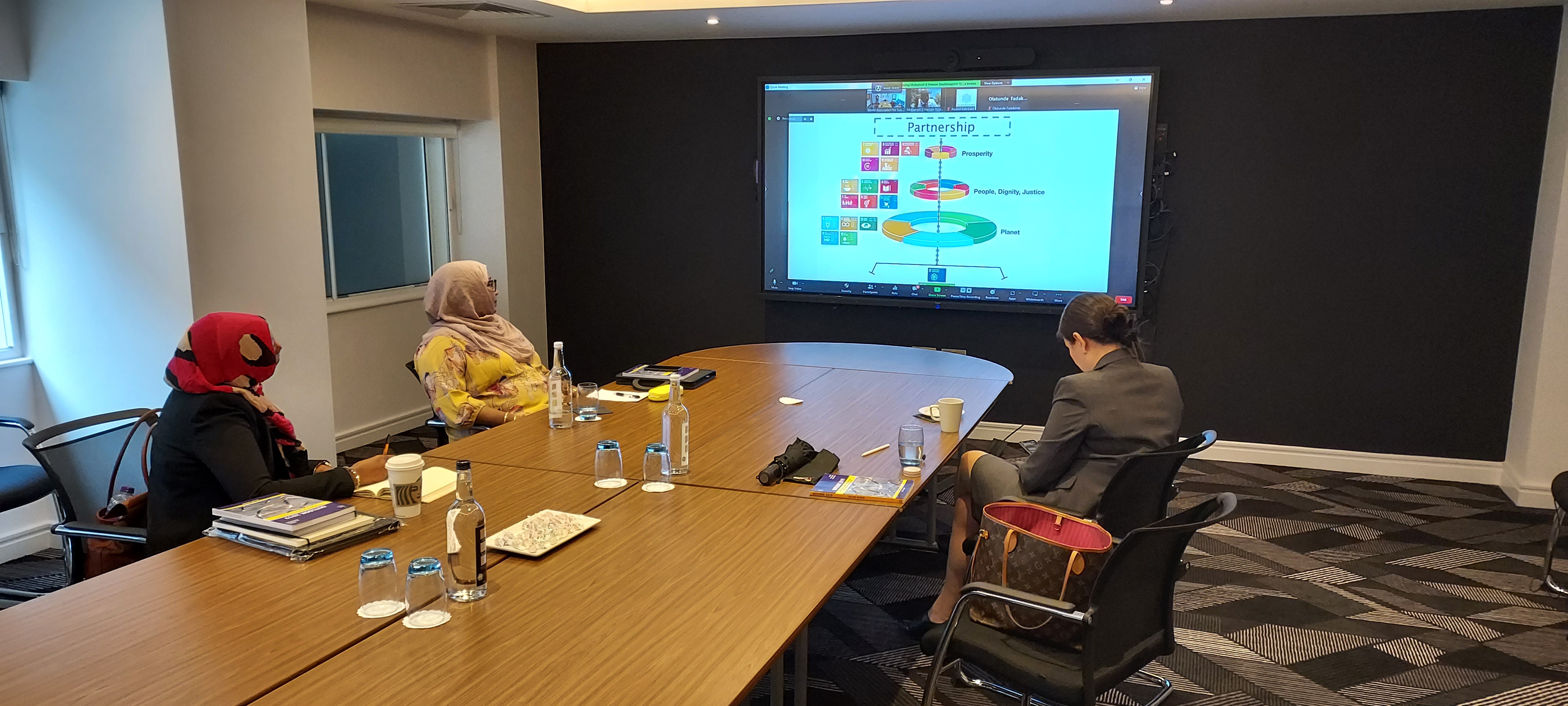
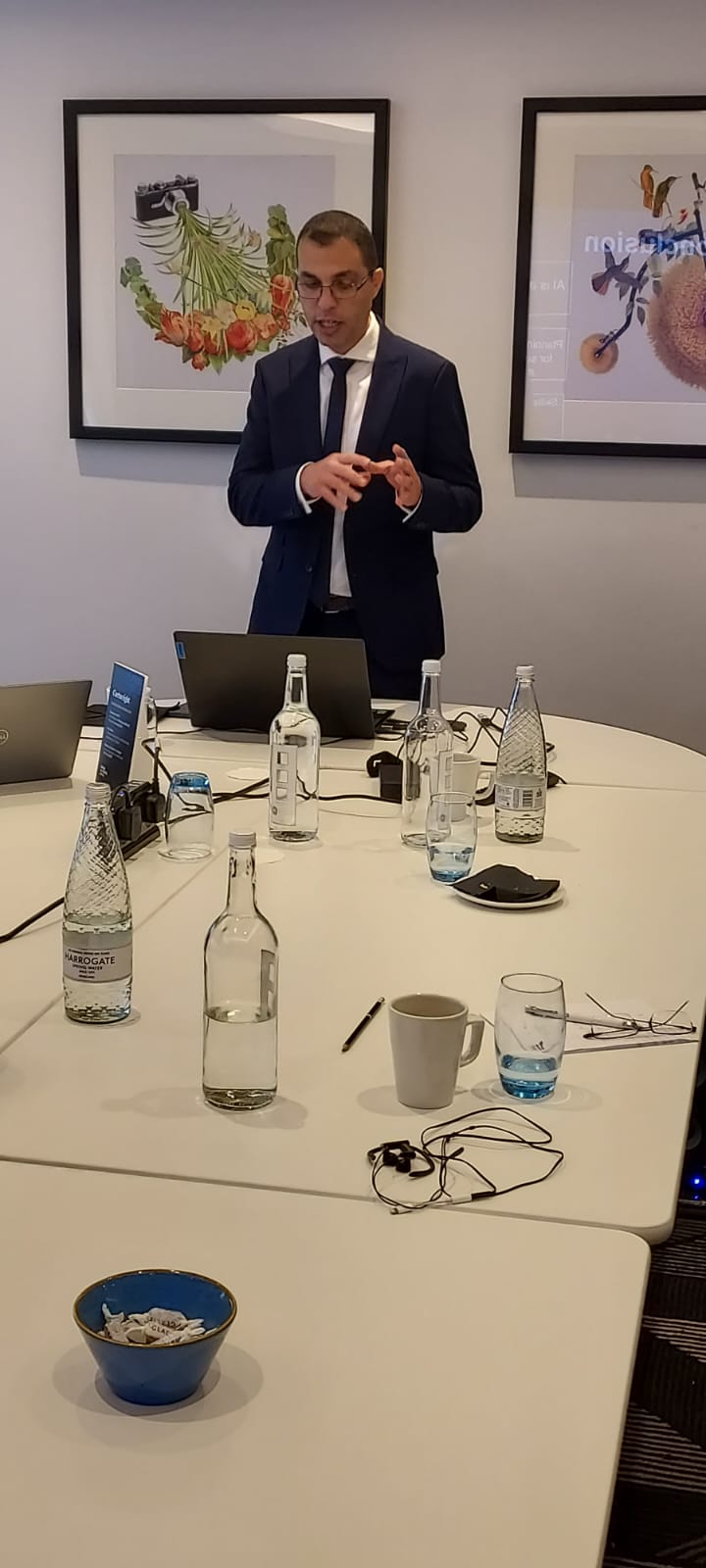
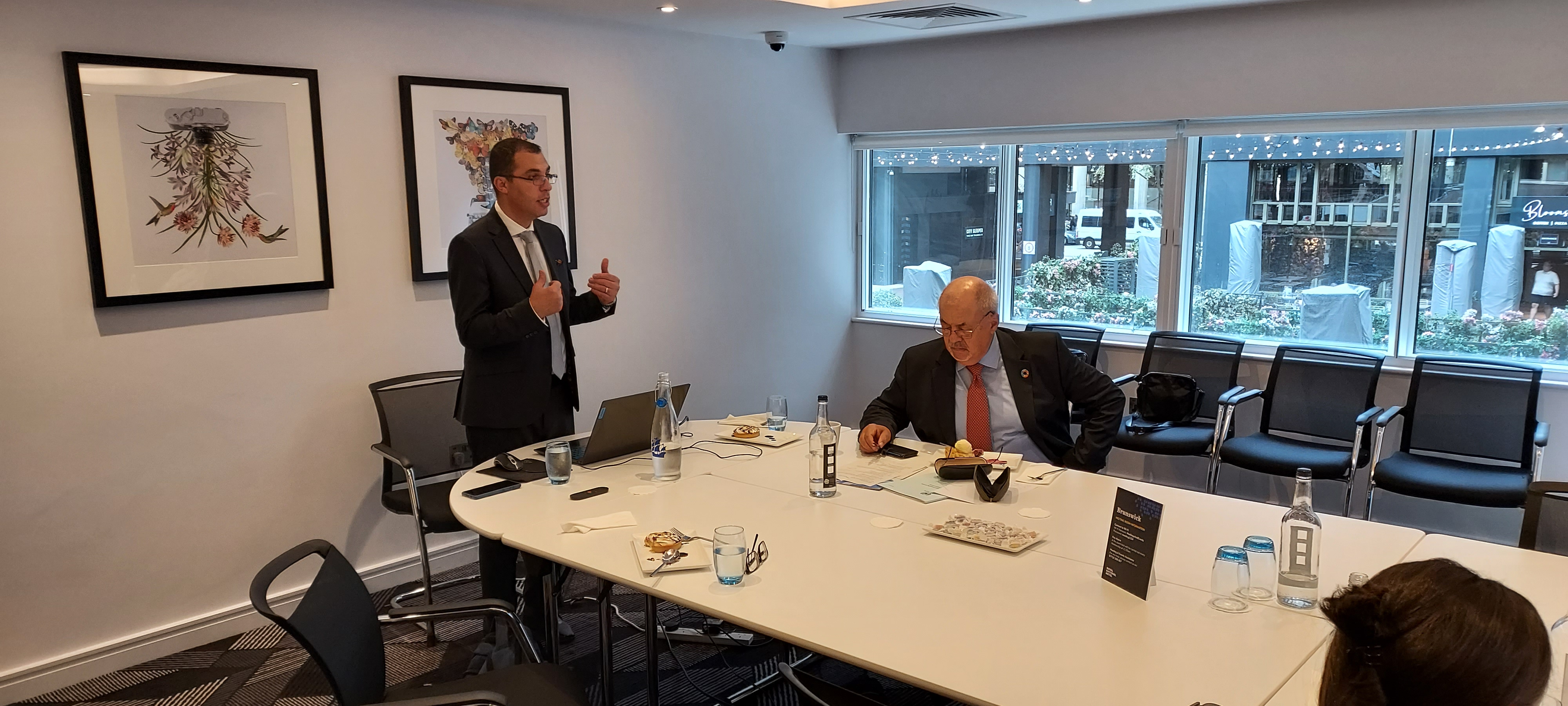
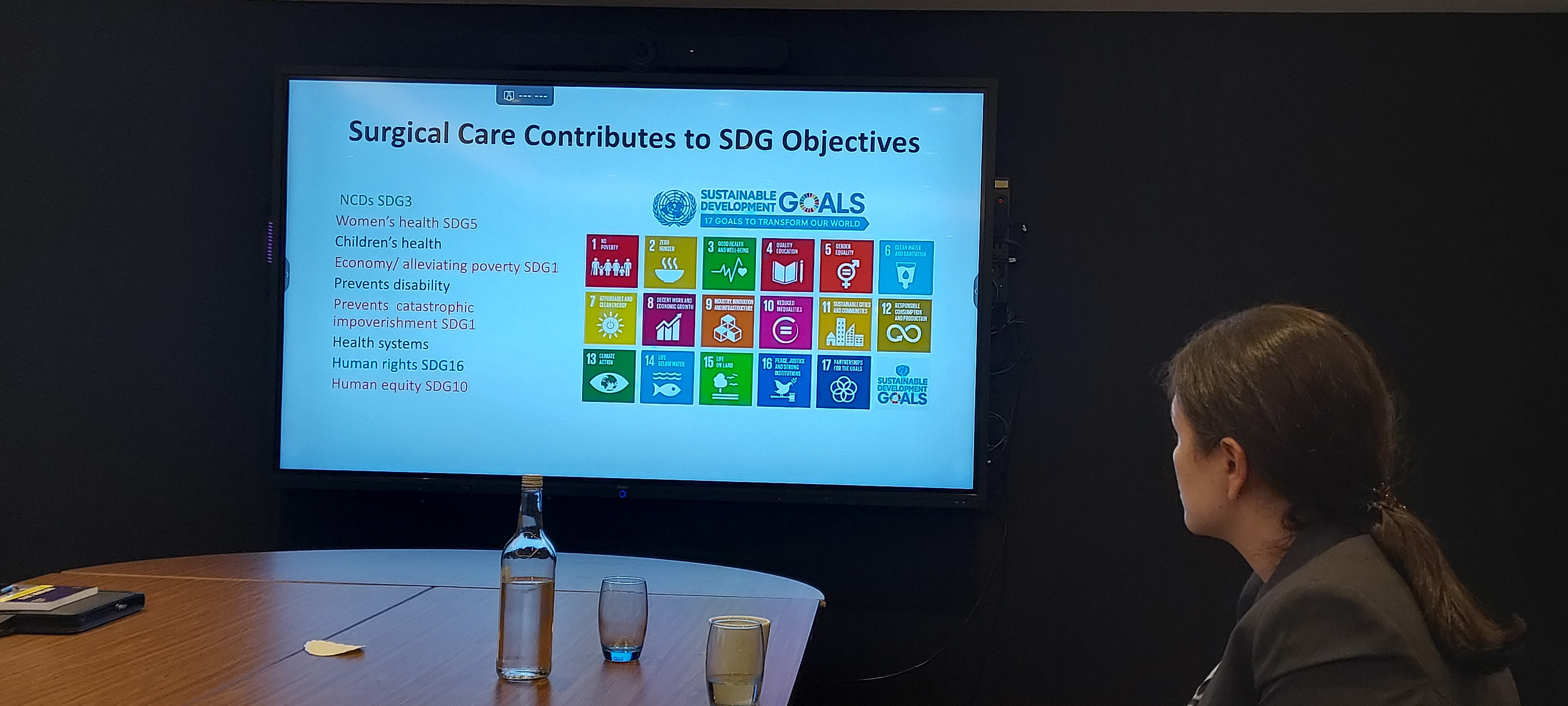
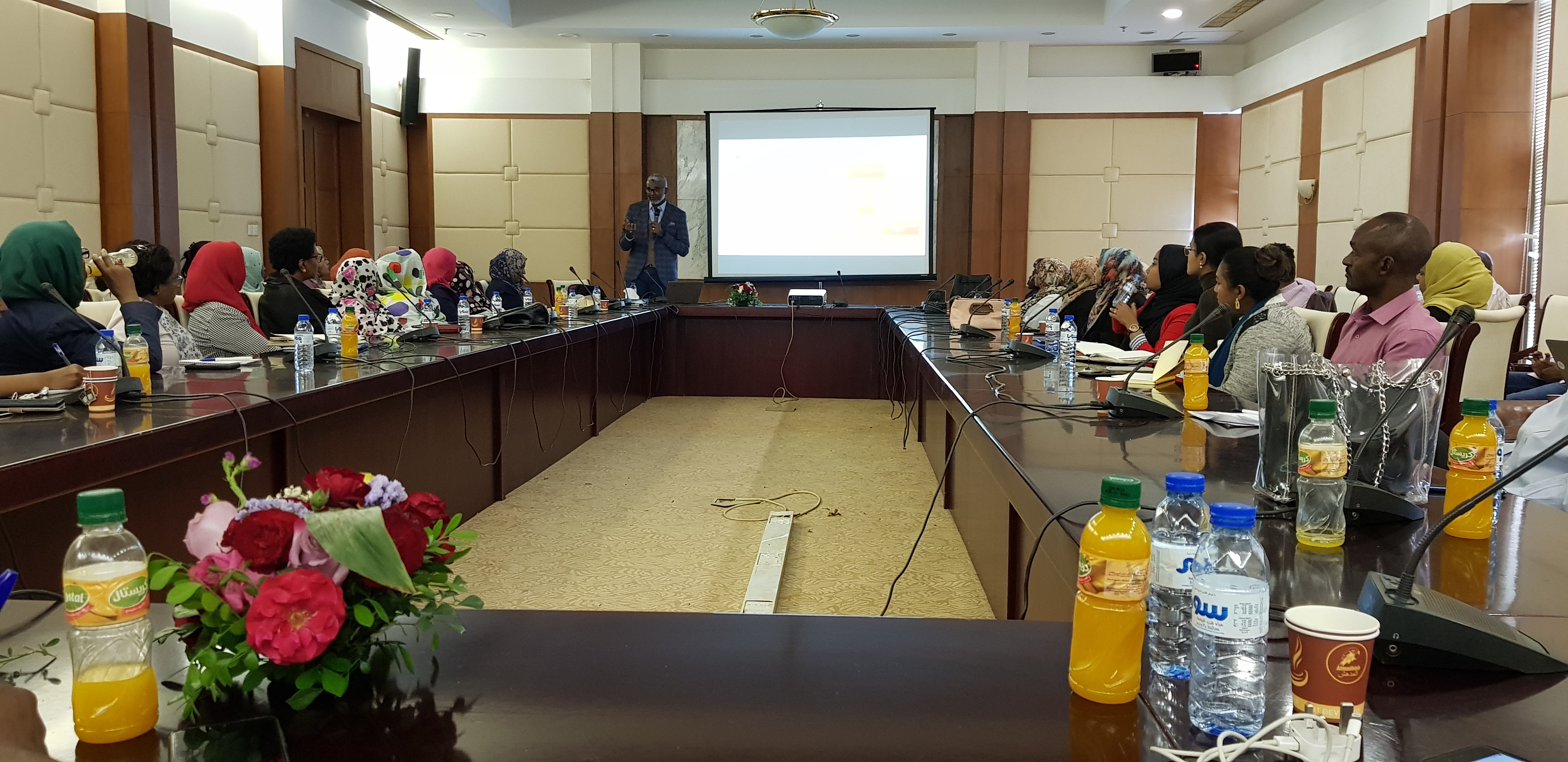
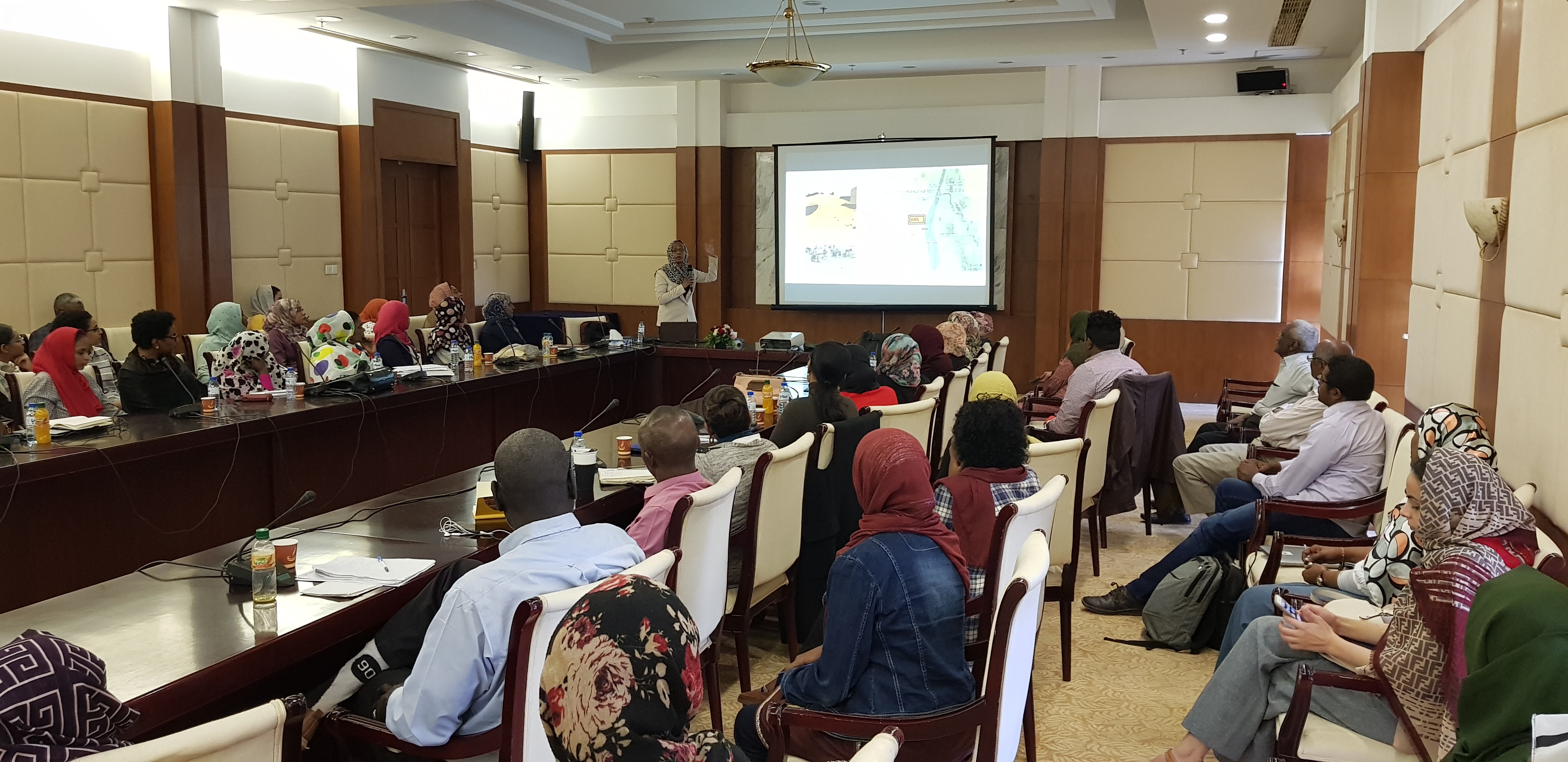
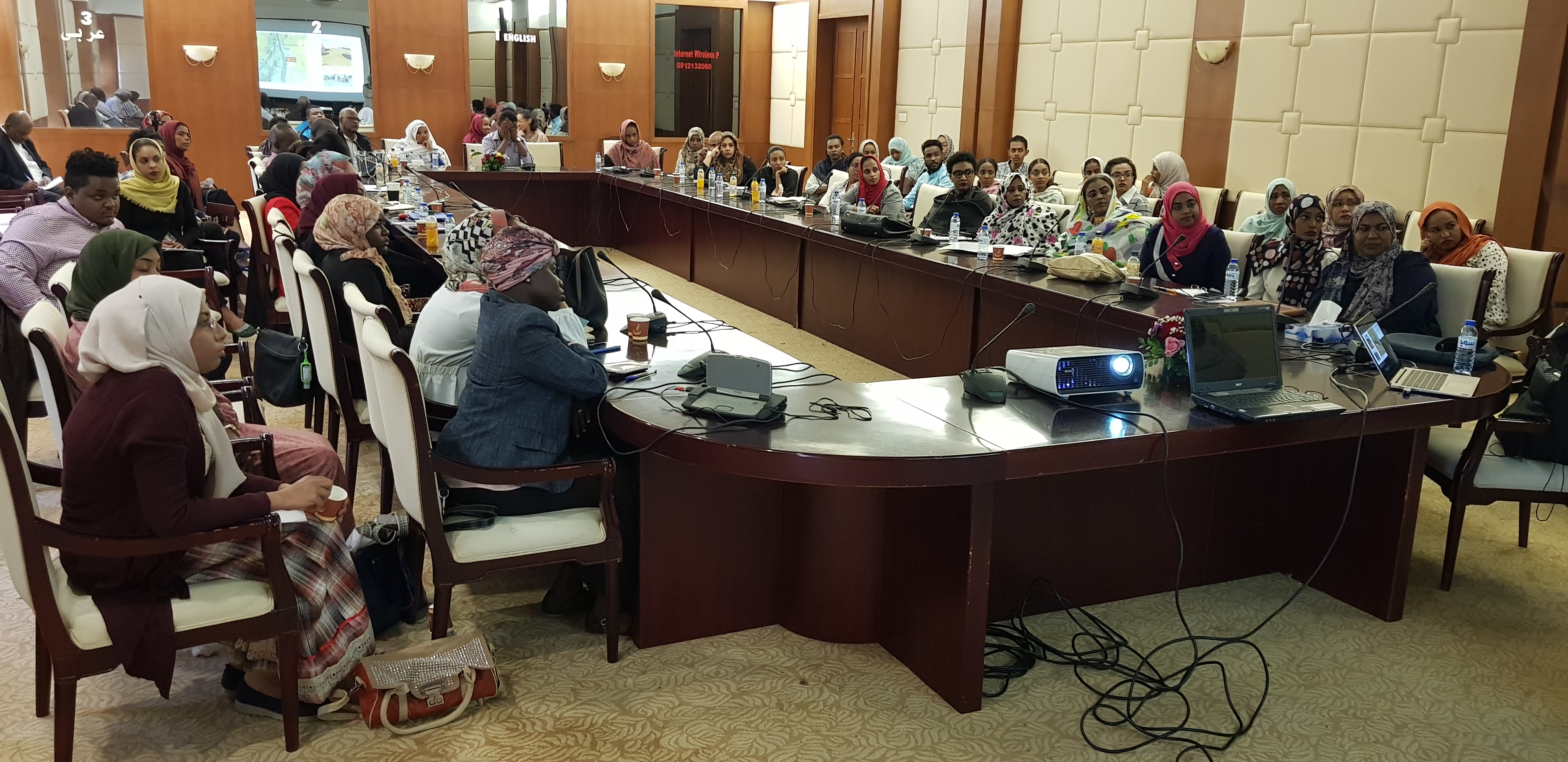
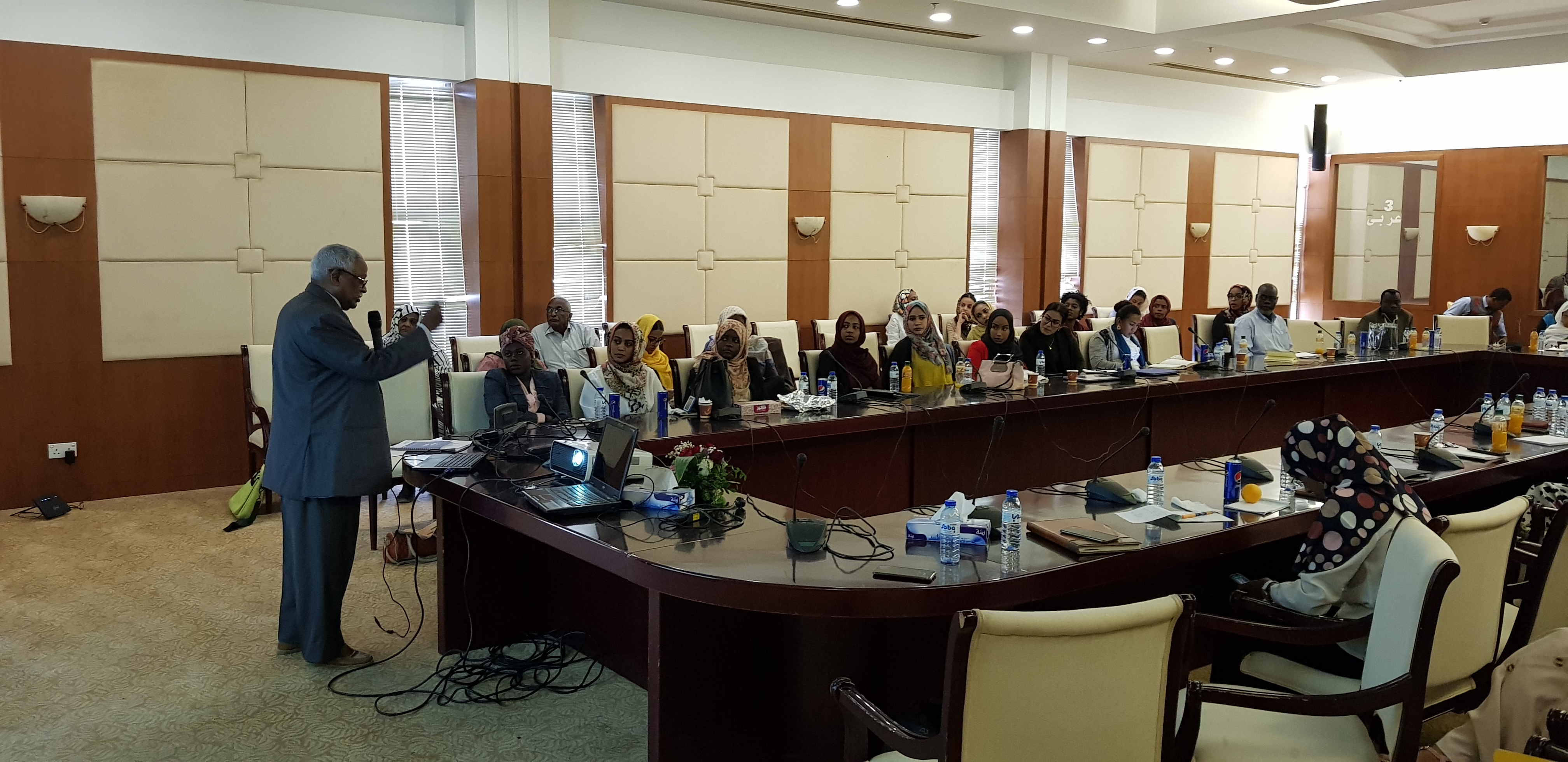
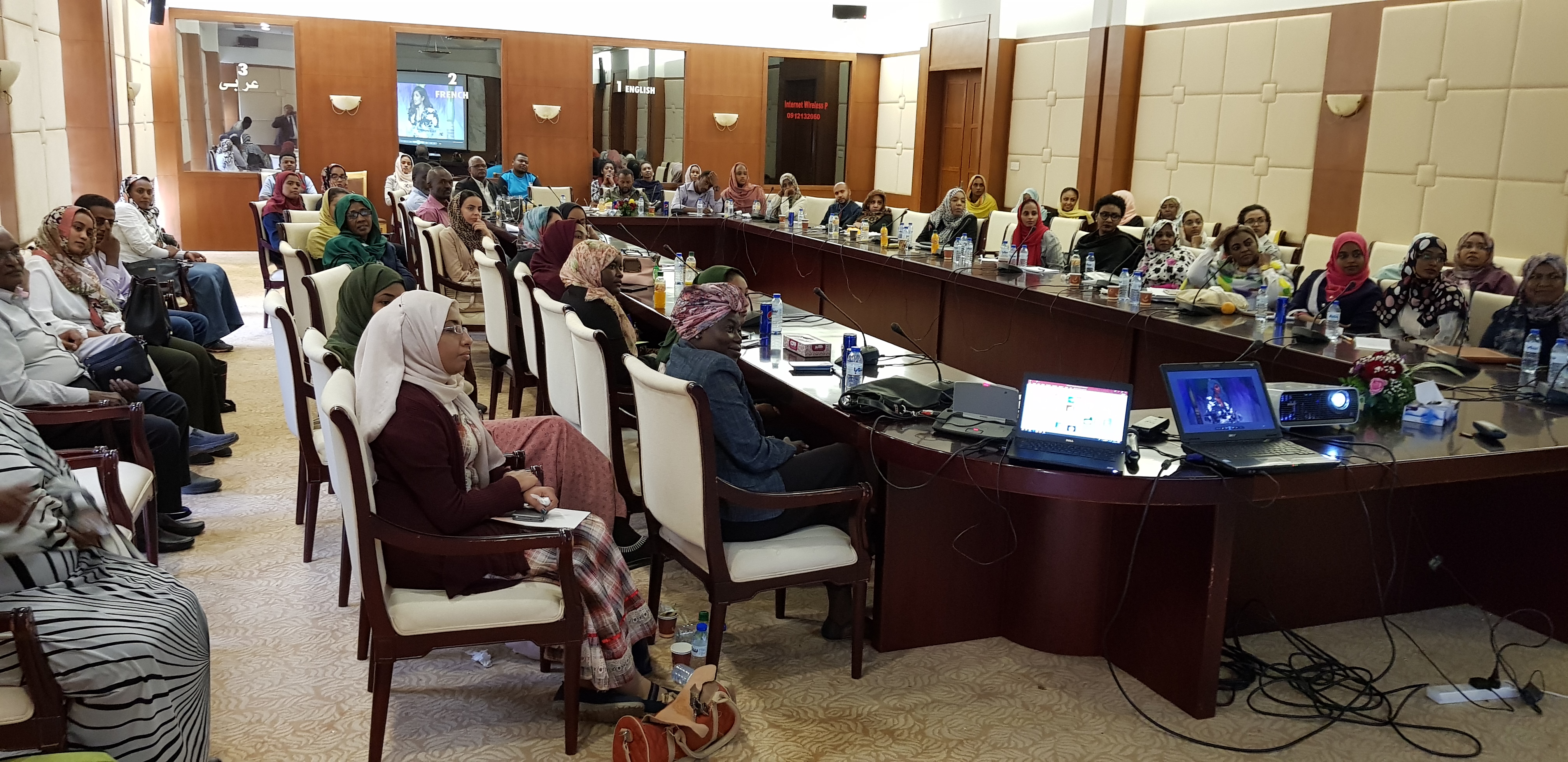
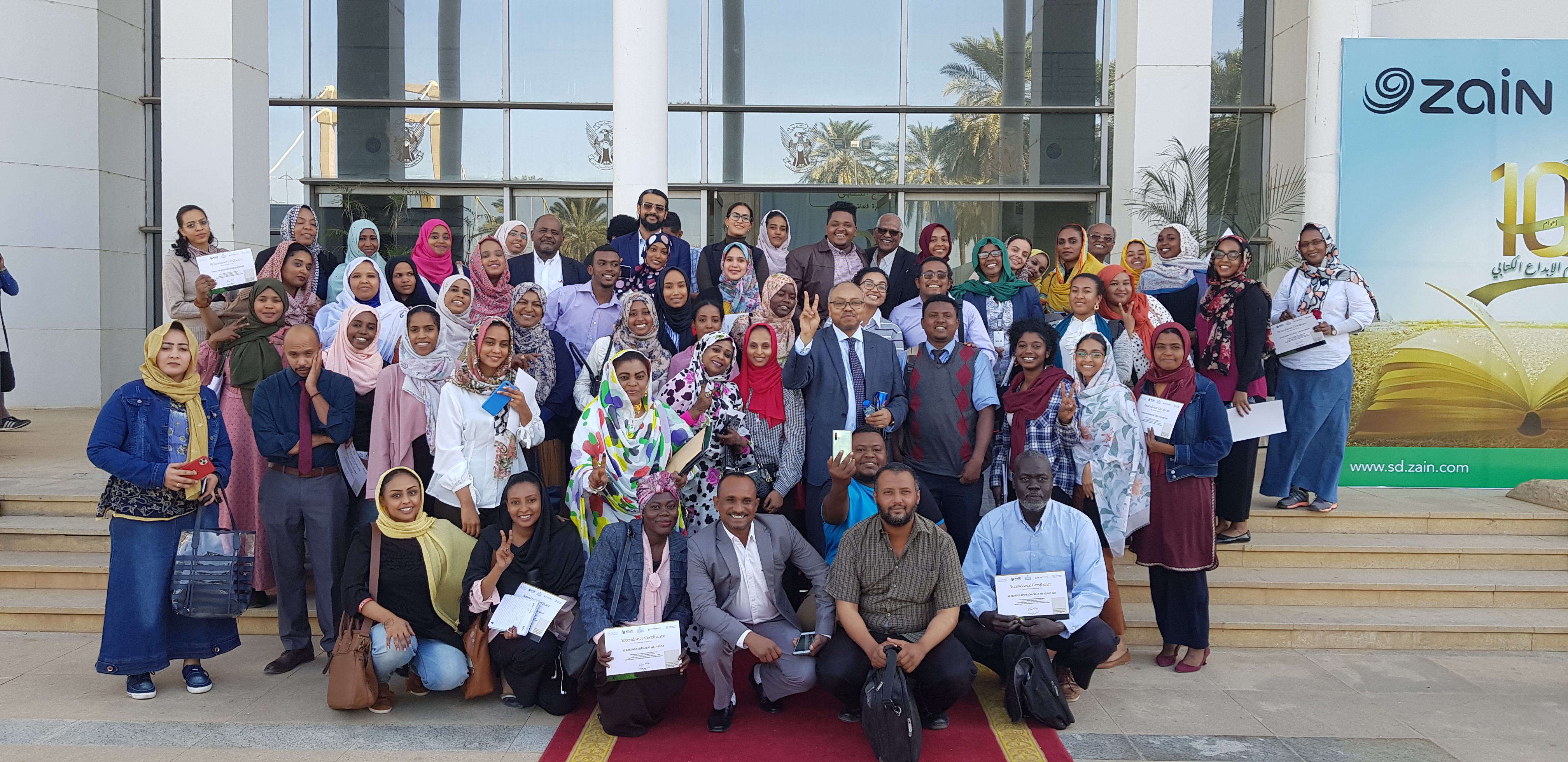
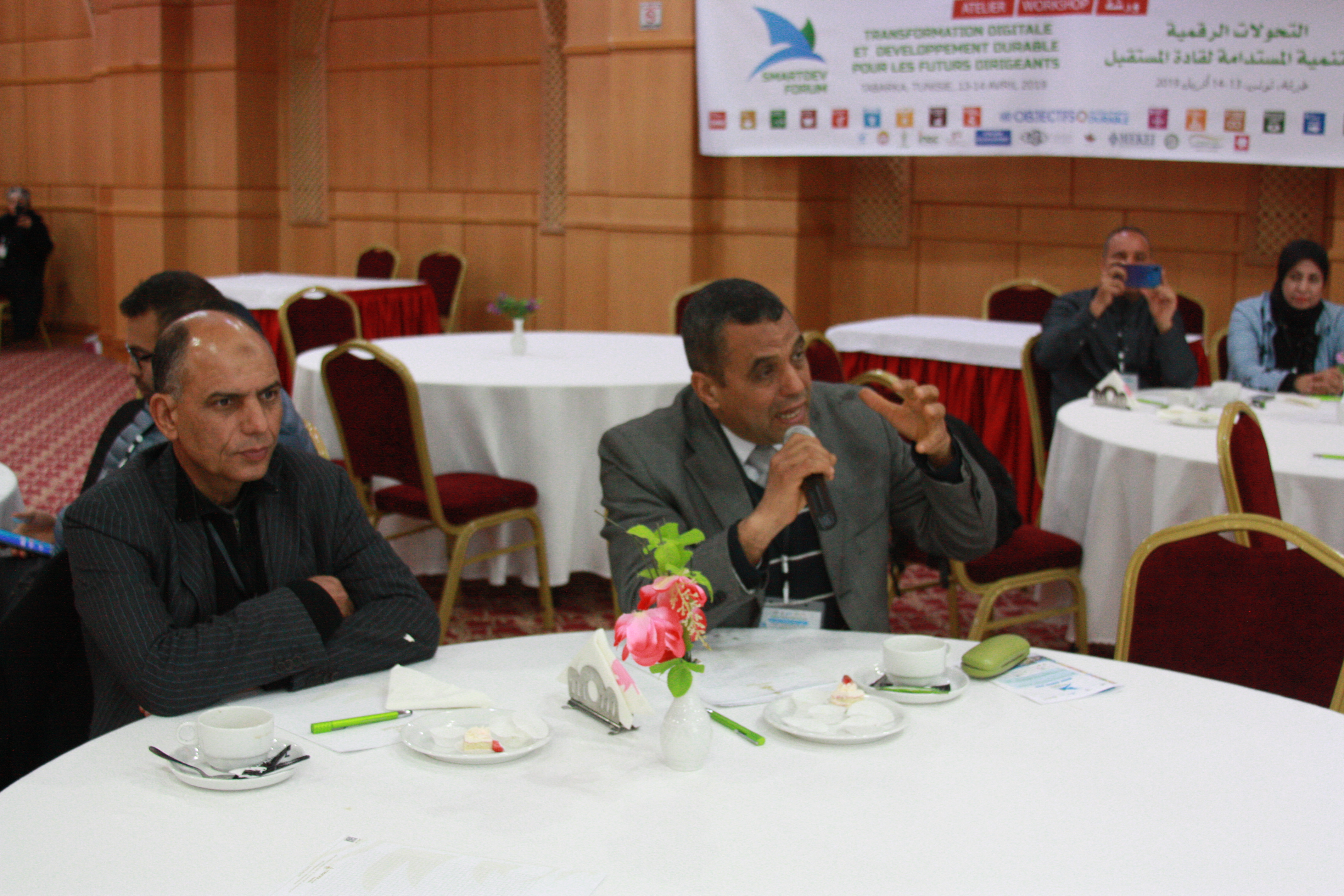
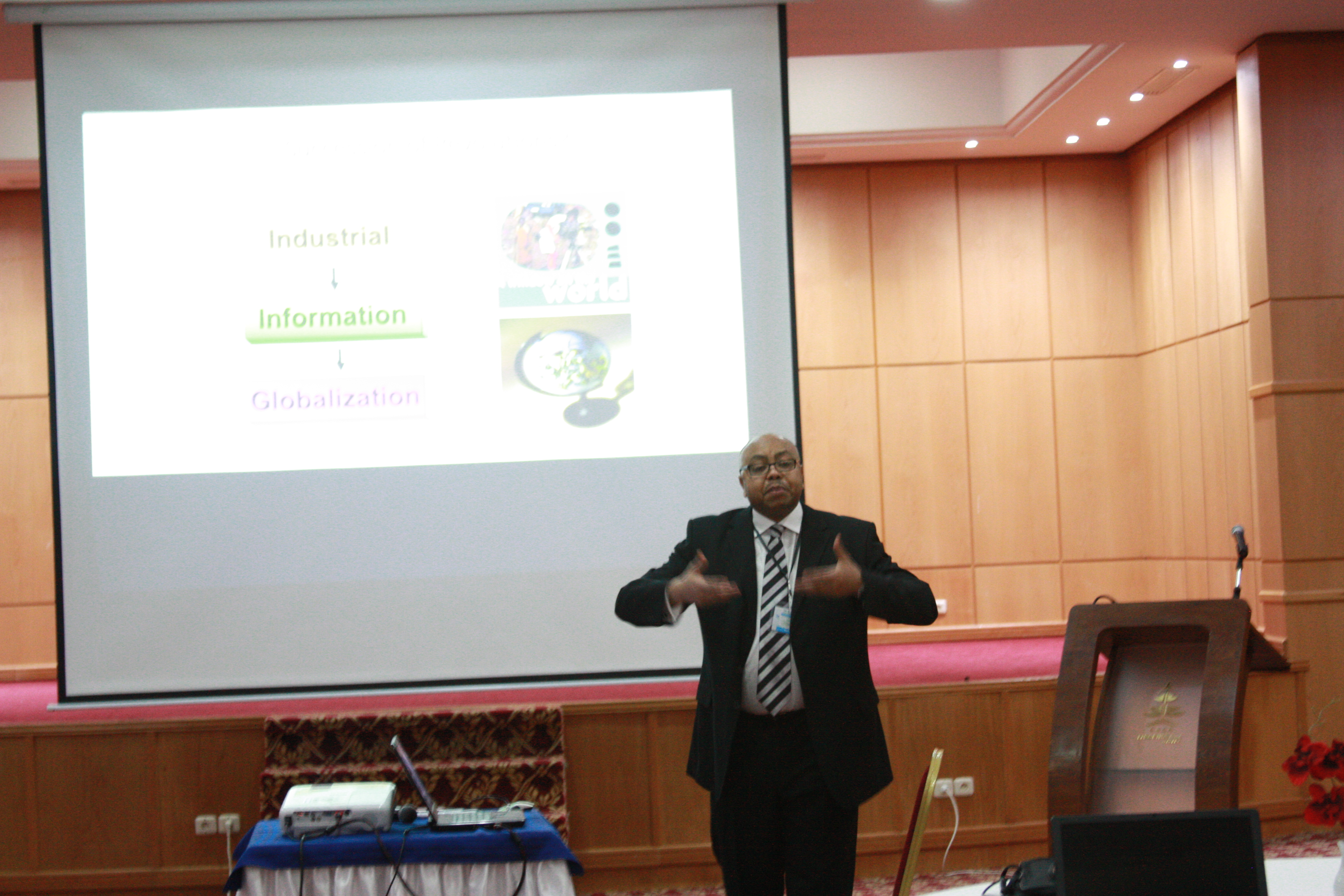
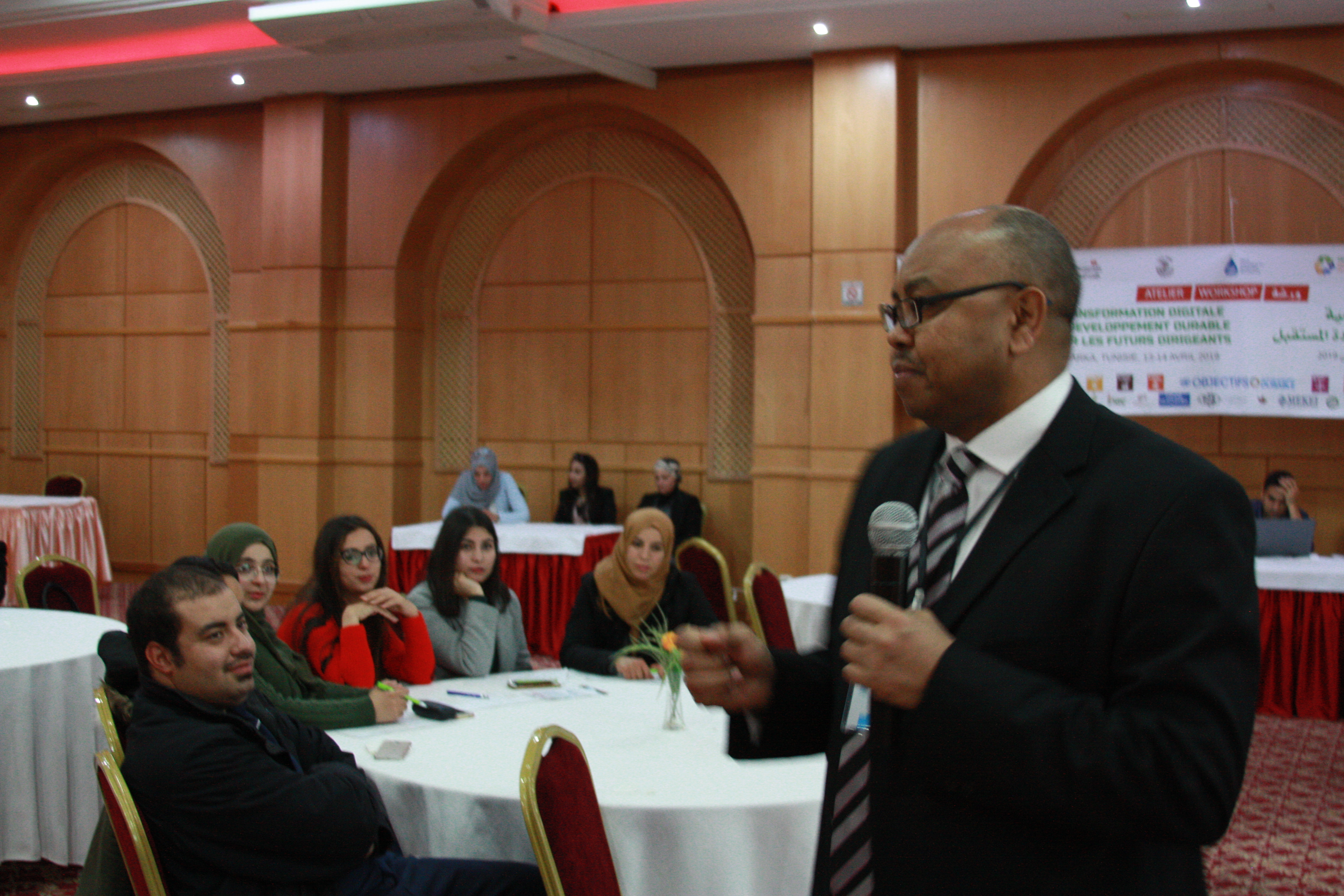
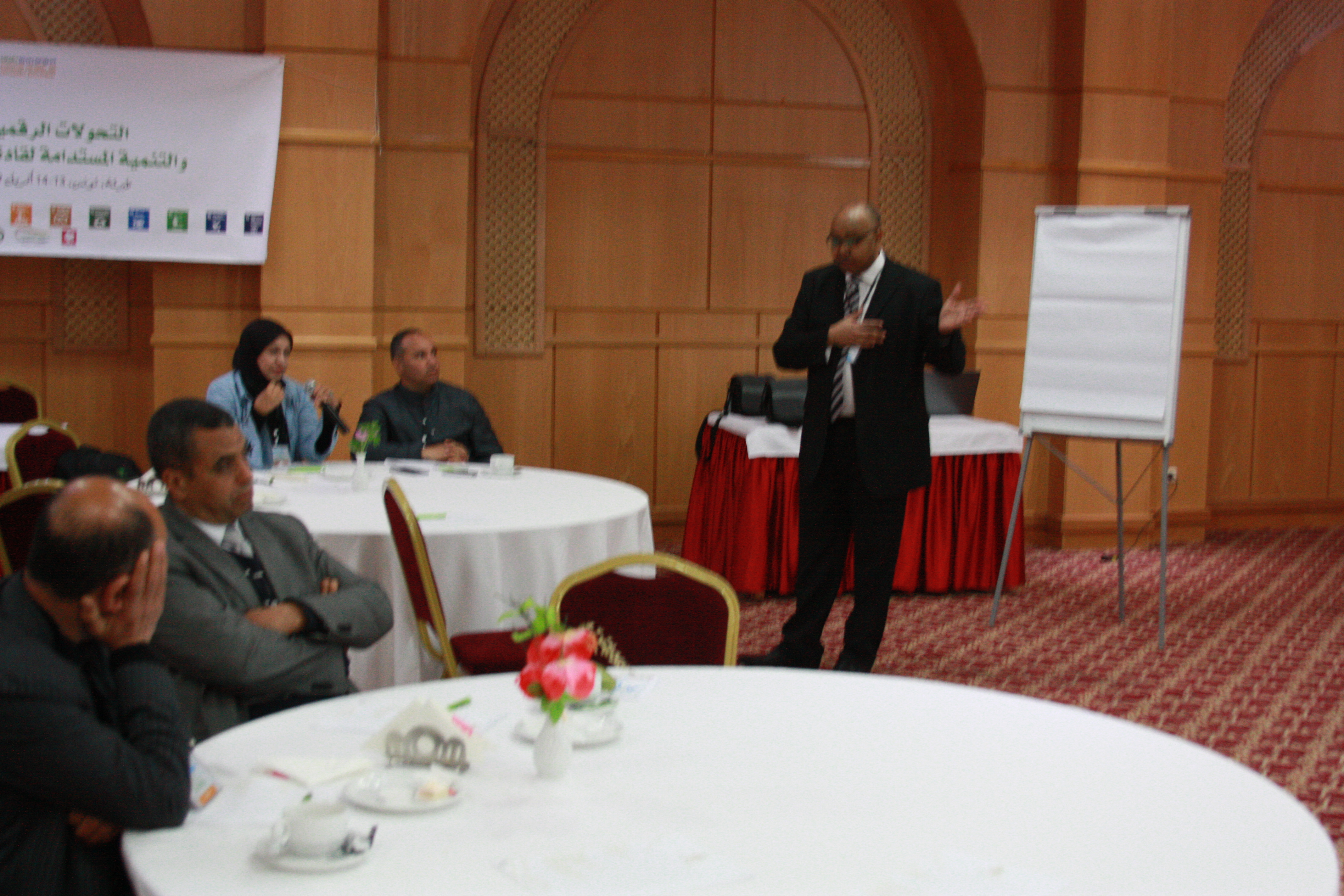
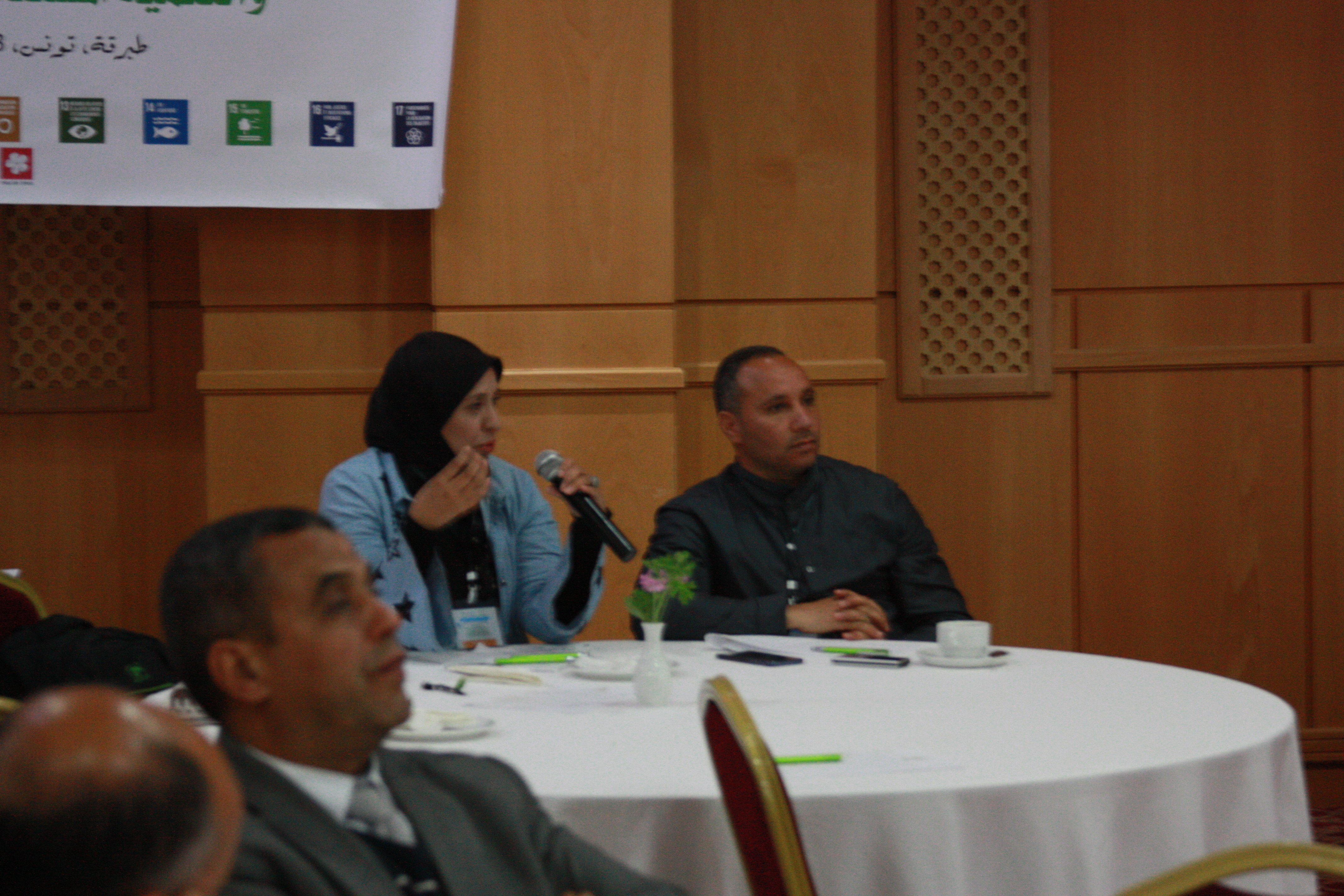
Today, more than ever before in human history, the wealth or poverty of nations depends on the quality of Higher Education (HE). Revolutionary breakthroughs in the knowledge economy are leading to remarkable changes in the way forward-looking nations capacitate their graduates. In this era of global skills and knowledge race, all universities cannot fail to realise, accept and accomplish its natural and ascribed roles as a strategic agent for national development. Universities are also at the heart of the 17 SDGs of the UN 2030 Agenda particularly at this new era of digital revolution particularly post Covid-19 global pandemic.
According to the United Nations Joint Inspection Unit (JIU) 2019 report titled “Strengthening the policy research uptake in service of the 2030 Agenda for sustainable development”, achieving the 17 SDGs of the 2030 Agenda requires evidence-based policies and planning at every level; therefore, the workshop will also include substantial components on evidence-based research and policy planning. Moreover, the JIU 2016 report “Knowledge Management in the United nations Sytem“, identified the important contribution of Knowledge Management (KM) to the implementation of the new holistic and collaborative approach on which the 2030 Agenda is based. JIU argued that knowledge can be the most natural integrative factor system-wide and for all the stakeholders in the implementation of the 2030 Agenda.
Whilst there has been a tremendous growth in size, the expansion of HE in almost all parts of the world, this expansion has caused average quality of education in many countries to decline as resources are stretched increasingly thin. Essentially, the expansion has been less differentiated and, therefore, ill-planned to confront emergent development needs. Rather, what is evident is a stupendous replication of traditional disciplinary-based techniques of knowledge production. These have, nevertheless, increased the richness of knowledge about the universe we live in but without apparently translating or transforming the catchment societal environments in terms of measurable productive capacities. Many scholars and policy makers have called for a transformative innovation agenda which embraces radical change for new synthesis and approaches for transforming HE in many countries.
The following key objectives will be developed during the masterclass:
- How universities can reposition and rebrand themselves as an excellent provider of transformative education, and achieve the UN SDGs 2030.
- How universities can effectively handle the changing expectations of governments and society to help national and international efforts for growth and development, particularly in the post-COVID-19 era.
- How to ensure universities are confident about their future.
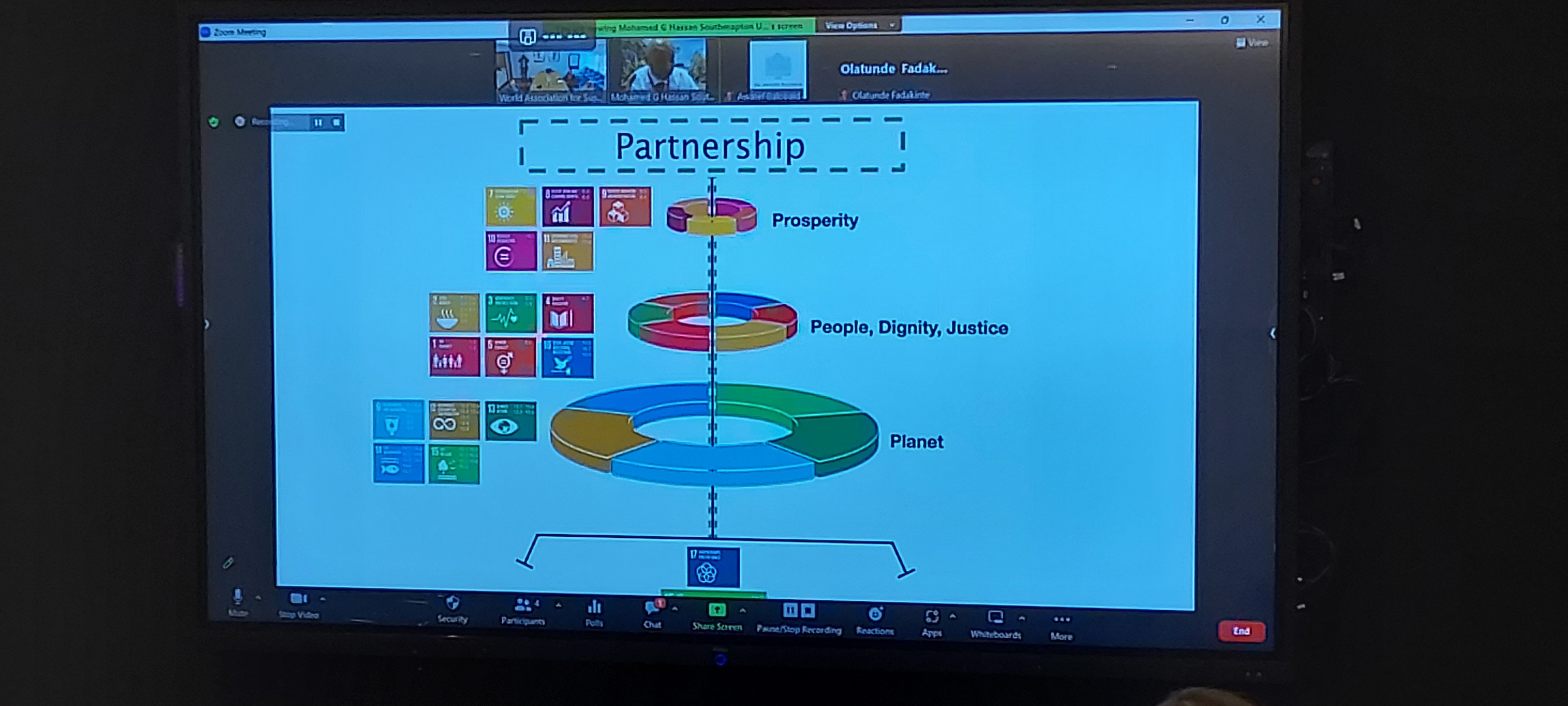
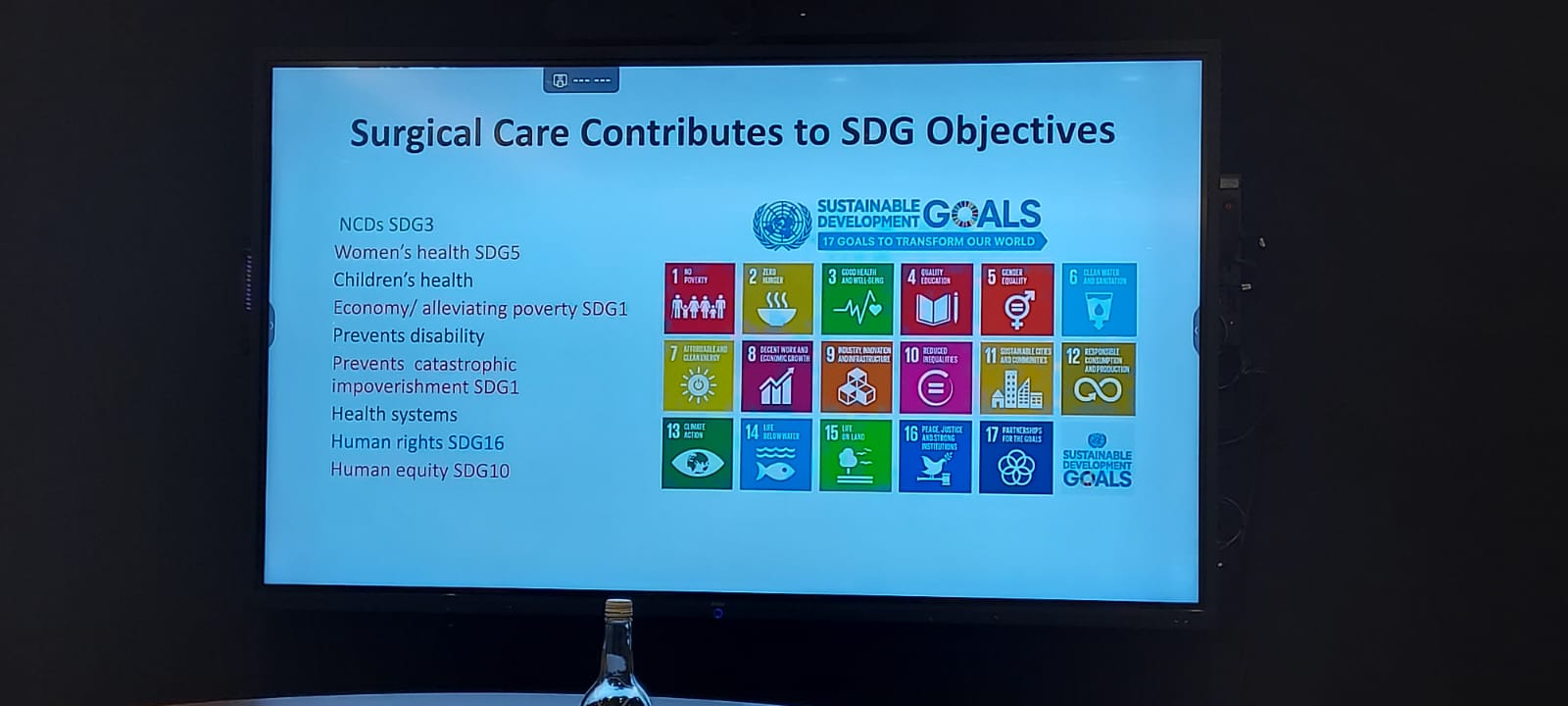
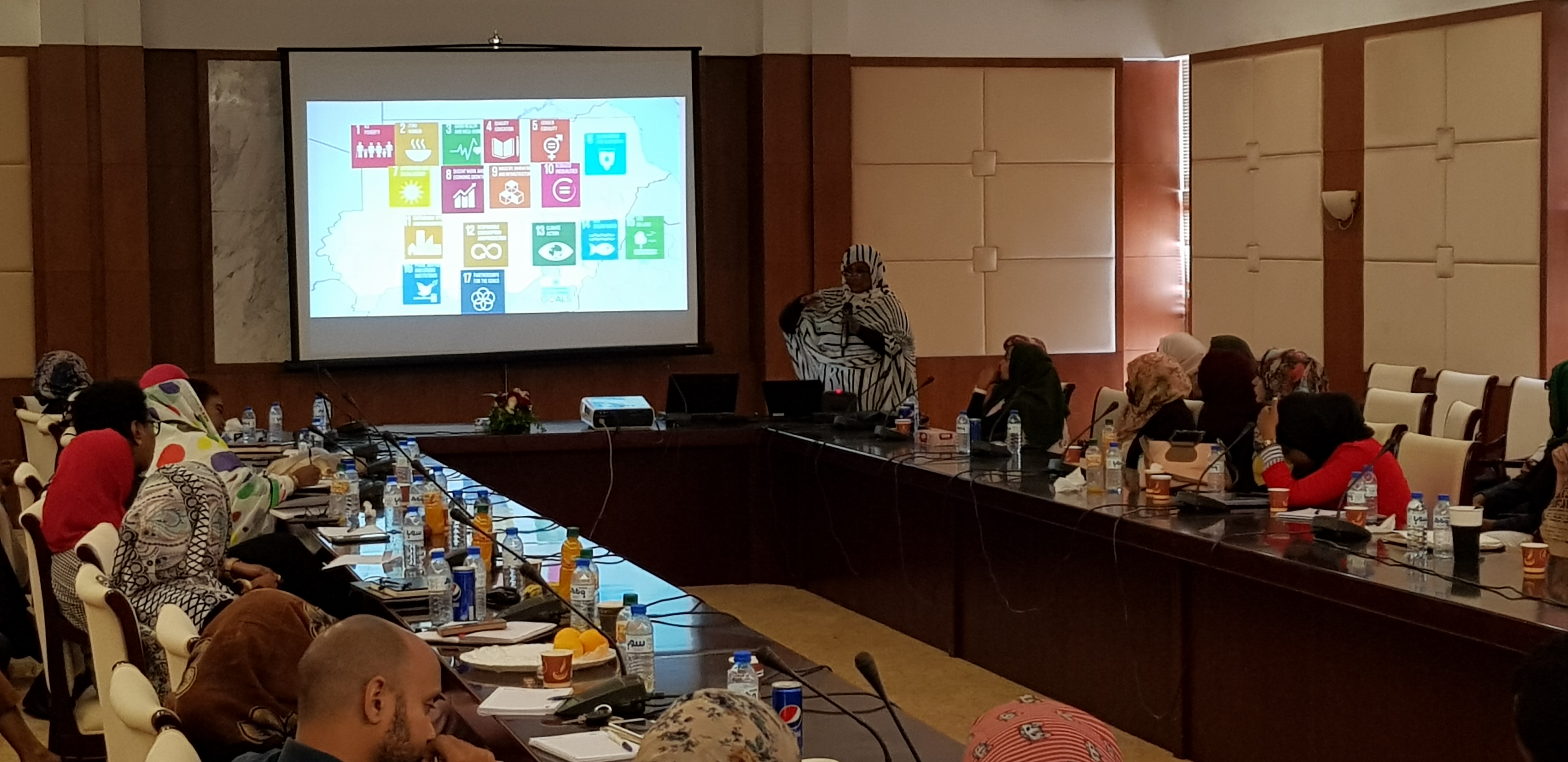
- Understanding the 17 SDGs, targets and indicators.
- Discussing the challenges universities face in the implementation of the various SDGs.
- Acquiring the essential knowledge and relevant social science concepts and theories required for any university to implement the SDGs.
- Learning how universities formulate policies and strategies for the implementation of SDGs and how policies for the overall 2030 Agenda are made.
- Learn how universities have been expanding their area of influence from the local civic model to a wider reach; and how institutions need to embrace distributed learning models in order to accelerate the implementation of SDGs.
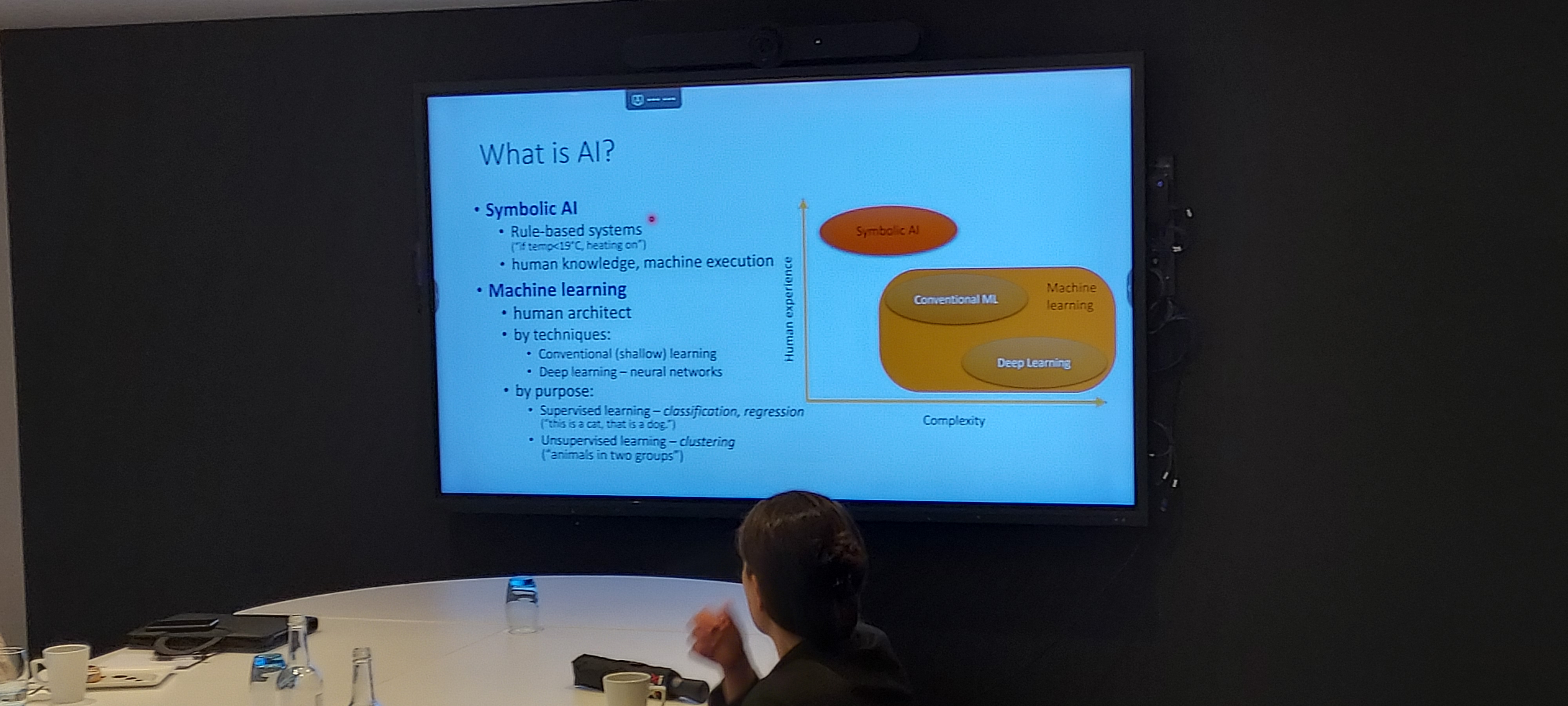
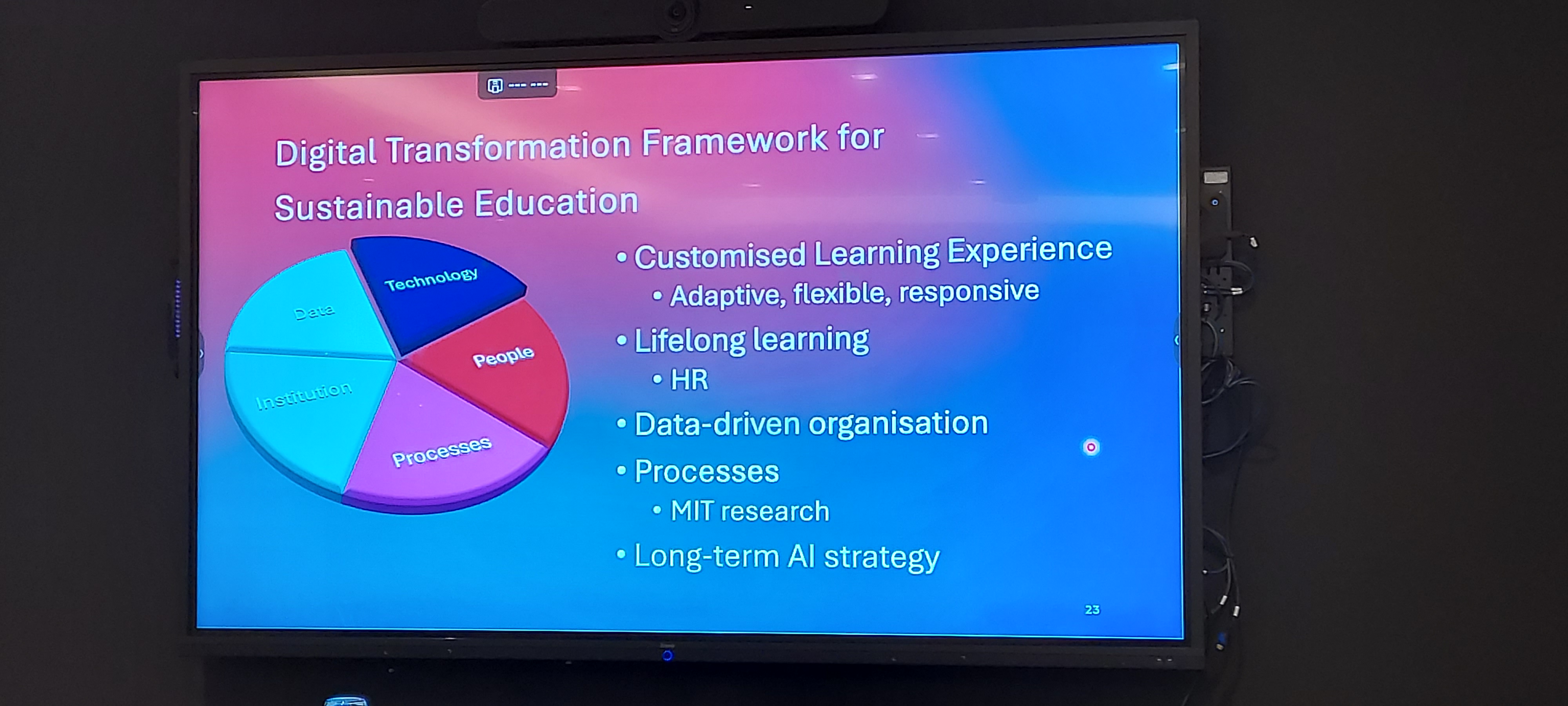
- Learn how how digital initiatives and AI technologies can be harnessed to overcome development barriers such as access to HE and investment in human capital.
- Finding new ways of thinking and problem-solving including working and influencing dynamics in universities, effective team and networks development.
- Discuss academic freedom and internationalisation of higher education in the context of soft power geopolitical competition as well as academic diplomacy in terms of the potential of scholars to contribute to peace.
- During the workshop, participants from different universities will discover new dimensions in leadership and management practices that will help them lead their universities' initiatives to implement the SDGs.
The following key topics will be discussed during the masterclass:
- Introduction to the course and SD.
- Introduction to the university as an organisation (theories and concepts).
- Re-thinking the role of the university in society.
- Reconnecting universities with the discourse of community development.
- Understanding Who/What determines the purpose of your institution.
- What is the UN system?
- UN development agendas in a historical perspective.
- Other UN global agendas.
- Evolution of the concept of development in the UN system since 1945 (from growth to SD).
- Understanding the UN 17 SDGs, targets, indicators and data.
- Managing internal knowledge resources in the UN system.
- Re-connecting universities with the national policies and strategies for a knowledge-based economy.
- Universities' teaching and research of AI, DS and DT to achieve SDGs and future insights.
- New leadership model for HE: SDGs and the civic university in the digital era.
- Academic mobility and the role of universities to achieve SDGs 4 and 16.
- Global experiences, lessons learned and country-specific case studies from leading universities in the UK and USA:
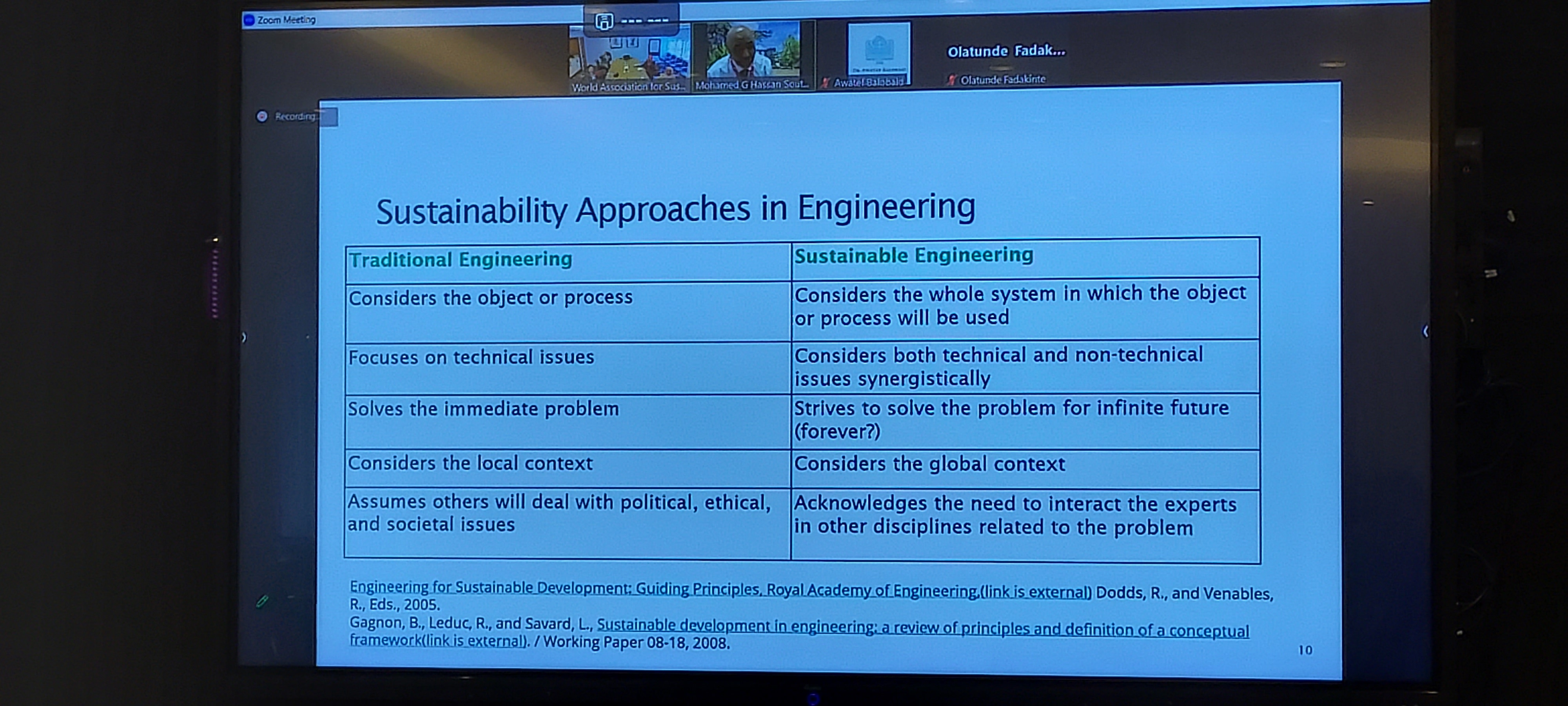
- Advancing sustainability in chemical engineering teaching at University of Southampton, UK
- Embedding SDGs in universities' teaching and research at California State University San Marcos, USA
- Managing the change and transformation process for SDGs.
- New leadership model for HE: managing, leading and following.
- Measuring universities' performance towards the UN SDGs.
- Discussion and next steps.



 To join the workshop, you can either