Overview
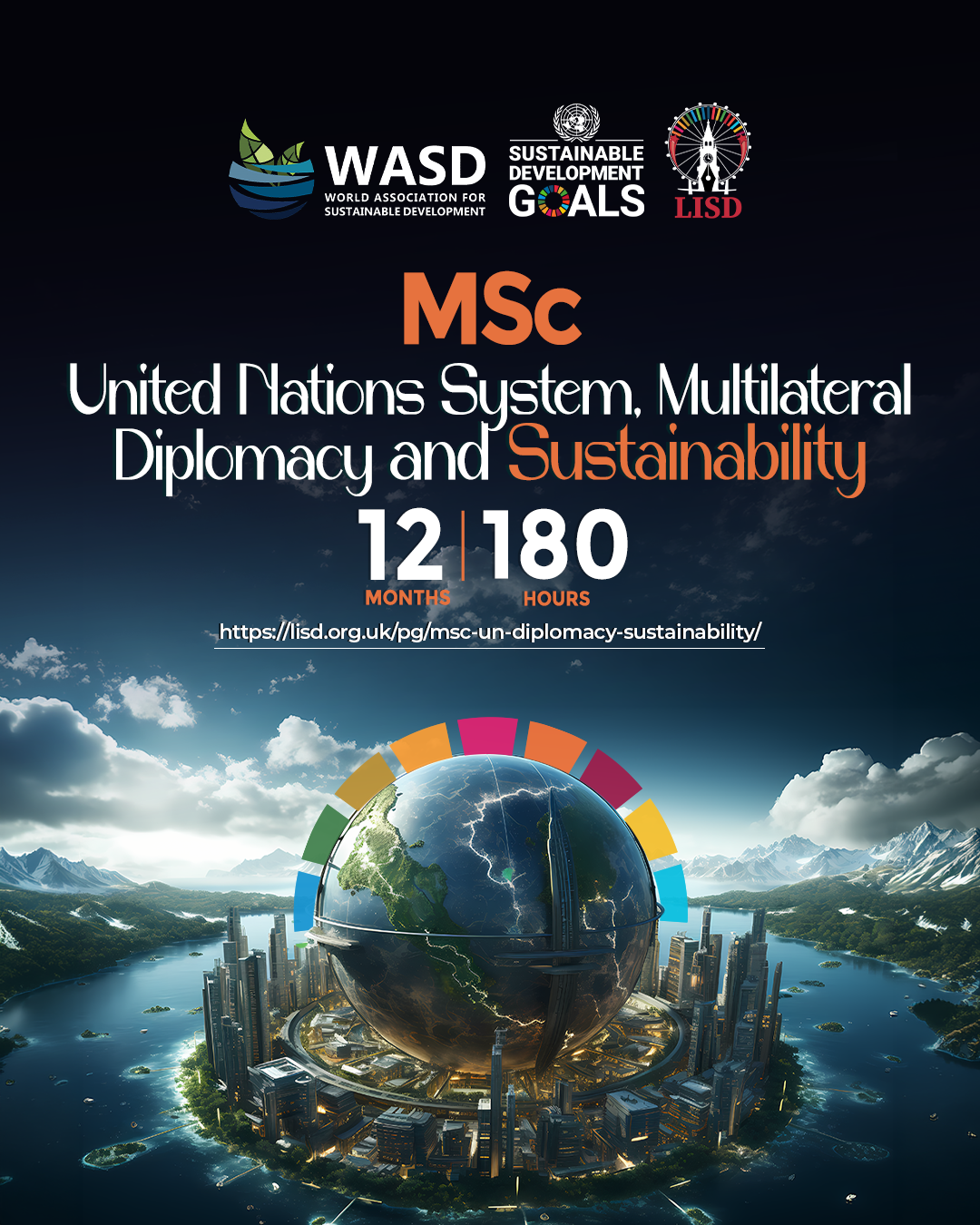
Master of Science (MSc) Sustainable Transformation and Multilateral Diplomacy in the United Nations System
Duration: 12 Months
Credit Hours: 180
ECTS: 90
Level: HE7
Mode of Delivery: Hybrid (Online/Onsite at different locations across the world)
Overview
The Master of Science (MSc) in Sustainable Transformation and Multilateral Diplomacy in the United Nations System (MSc STMDUN), developed by LISD, is a postgraduate programme designed to equip forward-thinking leaders to operate effectively in a globalised world through a comprehensive understanding of the institutional and operational dimensions of multilateral diplomacy. While the programme will be contextualised at global level, it will focus on the only organisation with a universal vocation, the United Nations (UN), and the complex framework known as the UN system.
The programme will shed light in a comprehensive and documented manner on the multitude of multilateral organisations that have emerged over the last 80 years, whose work has touched on almost all areas of importance for international law and the multiple settings of international cooperation.
The programme will reveal not just the visible areas for which the UN offers international norms, policy guidance, and concrete forms of cooperation, but also the entire machinery less known to the general public. As the UN has an impact on almost all domains of interest from a global perspective (outer space, the high seas, climate change, human settlements, civil aviation, maritime navigation, human rights, sustainable development, meteorology, communications, intellectual property, education, the peaceful uses of atomic energy, labour standards, and many other actions related to development and the delivery of public goods), the programme will offer learners a deep understanding of how 193 Member States use the UN system to balance their national interests and the supply of global goods.
Graduates will become knowledgeable and resourceful professionals and, above all, conscientious citisens of the world, capable of understanding and using the potential of the UN system for the benefit of peoples, developing countries, and humankind as a whole.
A One of-a-Kind Initiative
The special programme on Multilateral Diplomacy offers a transformative learning experience that broadens the knowledge horizons of students, public servants, entrepreneurs, civil society activists, and liberal professionals within the geostrategic context, while framing national perspectives within the existing norms of international law and international cooperation.
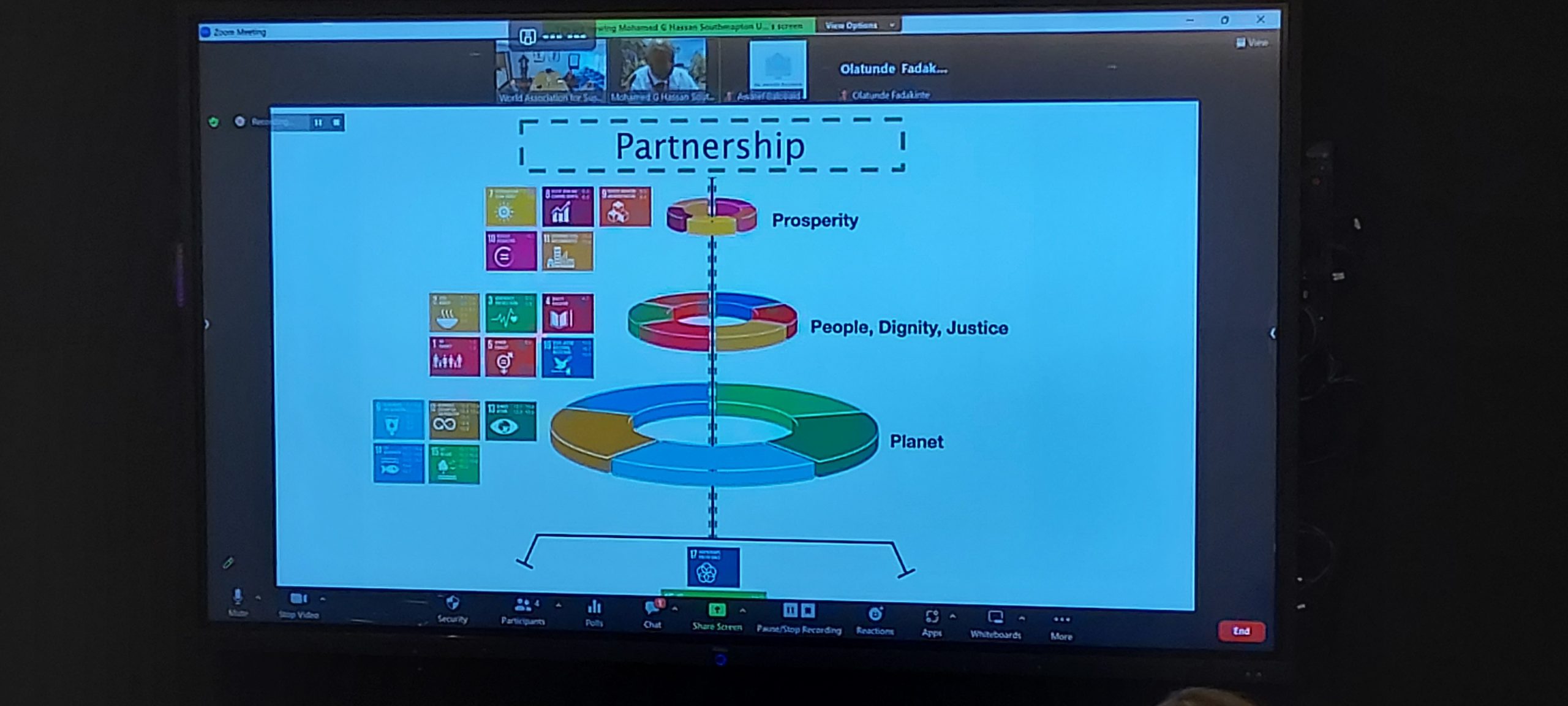
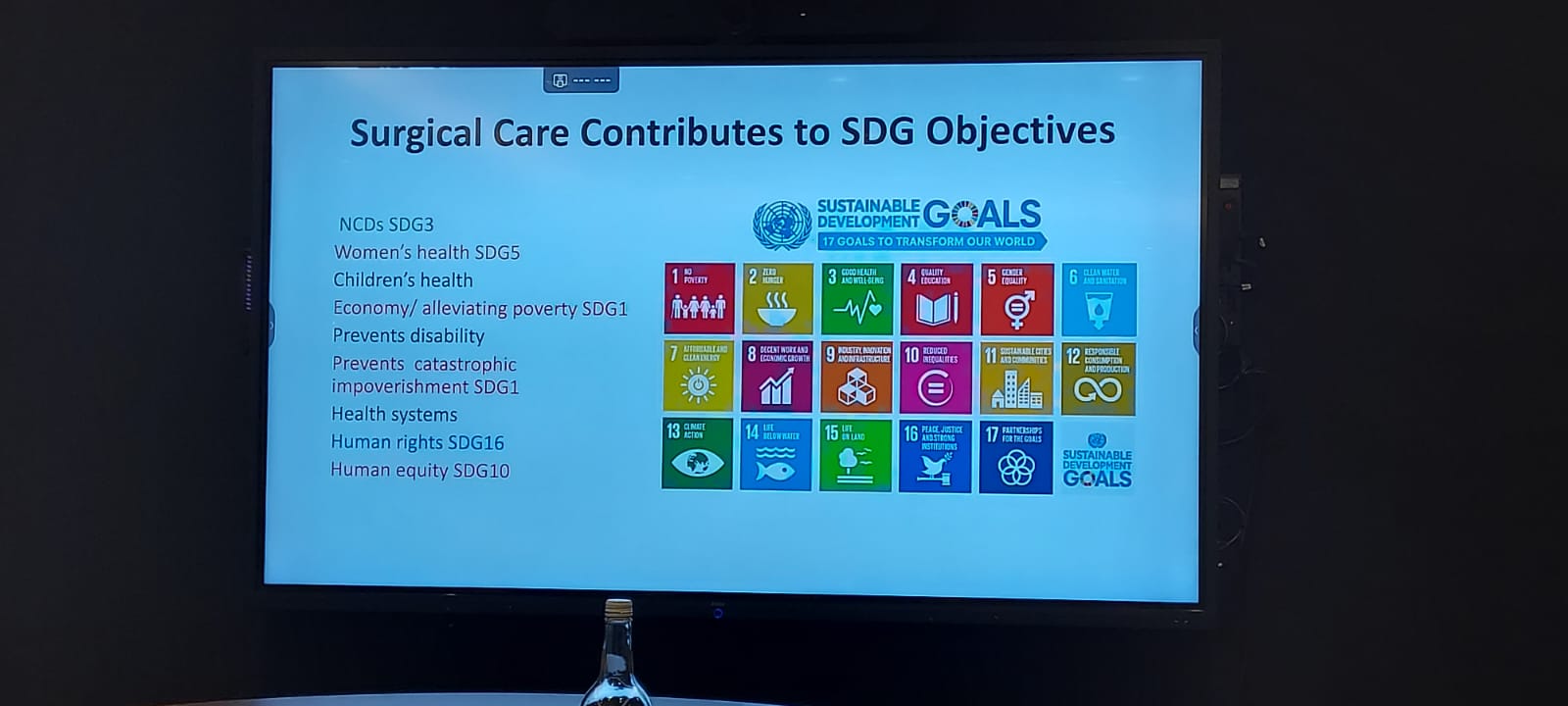
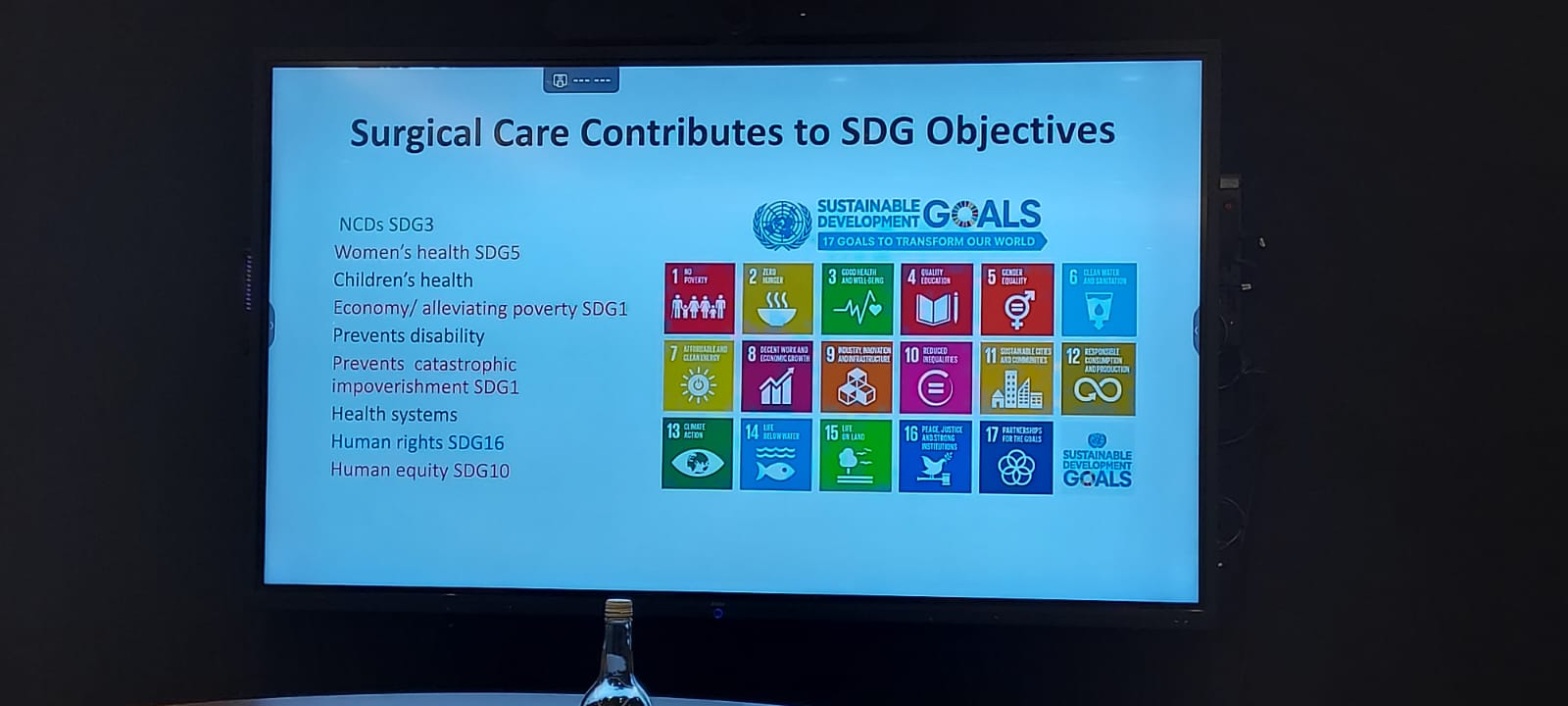
The programme will equip students to understand the United Nations Agenda 2030 and the Sustainable Development Goals (UN SDGs) in their very conceptual birthplace – the UN, as a result of a long-standing tradition of multilateral diplomacy, which synthesises in an ambitious programmatic document not only the will of 193 Member States but also the views of key actors of the private sector and civil society.
The development mandate of the UN will be considered historically in its dynamic evolution, from its inception to the current configuration, in a dual approach. On the one hand, a horizontal perspective, as shaped by successive decisions of Member States in the complex landscape of all Charter principal organs as well as funds, programmes, and specialised agencies. On the other hand, a vertical perspective, as a hierarchical relationship between Member States as decision-makers, on one side, and the secretariat and international staff as public servants, on the other side.
The intellectual construct proposed by the programme will not be just an academic one. It will be built on the professional experience of a practitioner, with 30 years of work with the UN from a fourfold institutional perspective: national representation to organisations based in New York and Geneva, the relationship between a regional organisation and the United Nations, system-wide intimate knowledge from an independent oversight posture, and the governmental coordination of United Nations operational activities in the field. Students will be guided through the plethora of UN entities and the patterns of cooperation with non-state actors, businesses, and civil society organisations. The concept of reform will be examined in many of its forms, from statements to actions, in institutional or conceptual forms.
Related Courses
Location
London Institute of Sustainable Development (LISD), London, United Kingdom